



Statua del Buddha sul pavimento: è irrispettoso?
Statua del Buddha sul pavimento: è irrispettoso?
Sommario
Perché il pavimento è considerato irrispettoso
Posizionamento una statua di Budda appoggiato sul pavimento è irrispettoso nella tradizione buddista perché il pavimento rappresenta il punto più basso di uno spazio e l'iconografia buddista insegna che il Buddha dovrebbe essere elevato sopra il livello del suolo in segno di reverenza.
La pianta dei piedi ha un significato particolare nella cultura buddista, mostrare la pianta dei piedi a un'immagine o a una persona è considerato altamente offensivo. Quando una statua si trova direttamente sul pavimento, diventa vulnerabile al contatto accidentale, al traffico pedonale e al rischio di essere calpestata o calpestata, tutti elementi che violano i principi fondamentali dell’etichetta buddista.
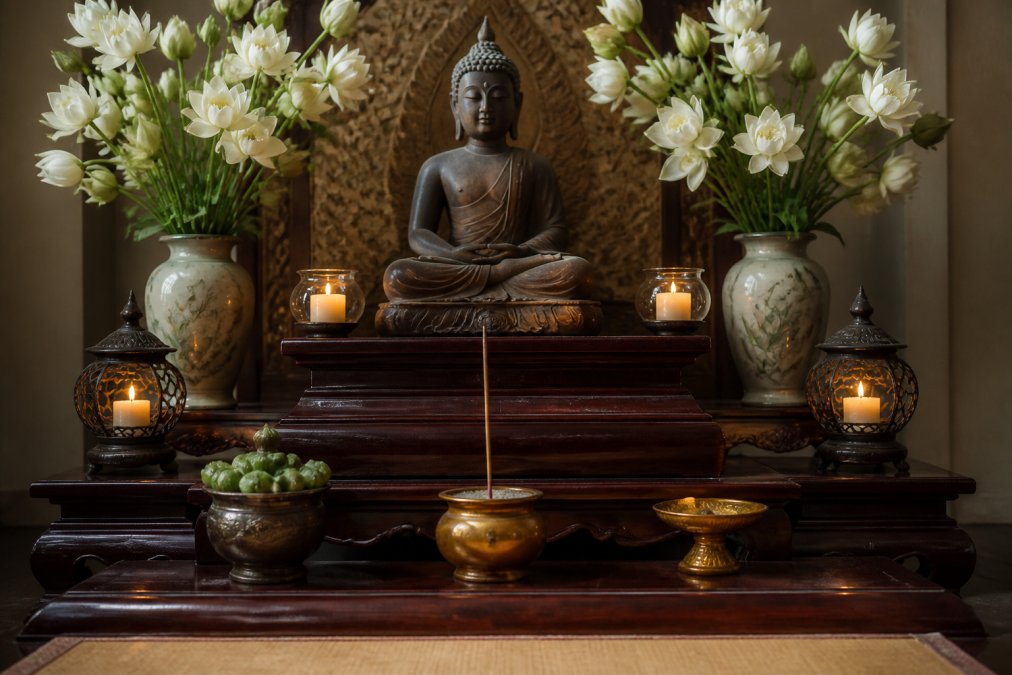
Questa pratica deriva da profonde tradizioni culturali e spirituali attraverso le comunità buddiste. Il Buddha non è semplicemente un oggetto decorativo ma una rappresentazione sacra degna di onore e collocazione intenzionale. Anche nelle case in cui la statua ha uno scopo decorativo piuttosto che strettamente religioso, comprendere questo contesto culturale impedisce una mancanza di rispetto involontaria. L'elevazione della statua segnala che la figura è separata dagli spazi quotidiani e mondani. Il posizionamento a livello del suolo tratta inavvertitamente l'immagine come un normale mobile piuttosto che come un simbolo meritevole di santità.
La preoccupazione va oltre l’atto fisico del posizionamento. Riflette l'intenzionalità, sia che qualcuno collochi una statua con attenzione o con noncuranza. La pratica buddista enfatizza la consapevolezza in tutte le azioni (l'NIH). Posizionare una figura di Buddha sul pavimento senza considerazione contraddice questo principio, anche se non si intendeva mancare di rispetto. Sia per i professionisti che per i collezionisti, il corretto posizionamento diventa un'estensione della devozione spirituale e della sensibilità culturale.
Regole per il posizionamento delle statue di Buddha nella tua casa
La regola fondamentale per esporre una statua di Buddha in casa è semplice: l’elevazione conta. La statua dovrebbe essere posizionata più in alto rispetto al livello del suolo, idealmente all'altezza degli occhi o leggermente al di sopra quando sei seduto in meditazione o riflessione. Questo posizionamento crea un punto focale per la pratica spirituale dimostrando riverenza attraverso il posizionamento fisico.
Elevazione e livello degli occhi
L'altezza ideale per il posizionamento di una statua di Buddha è tra quattro e sei piedi da terra, posizionandola all'altezza degli occhi o leggermente sopra quando è seduto (ricerca peer-reviewed). Questa elevazione raggiunge molteplici obiettivi: impedisce il contatto accidentale con i piedi, crea un punto focale naturale per la meditazione e segnala che l'immagine occupa un posto d'onore nella tua casa. Quando la statua si trova all'altezza degli occhi, invita alla contemplazione piuttosto che guardare la figura dall'alto, il che può sembrare sprezzante.
Il posizionamento del piedistallo è la soluzione tradizionale per ottenere un'elevazione corretta. Un piedistallo di legno, un tavolo d'altare o una mensola del santuario sollevano naturalmente la statua sopra il livello del suolo e creano uno spazio sacro designato. Il piedistallo stesso diventa parte dell'esposizione, incorniciando la statua come qualcosa di intenzionale e venerato. Per i collezionisti che cercano pezzi autentici del sud-est asiatico, un piedistallo di qualità trasforma la presentazione da decorazione casual in un punto focale spirituale curato.
Anche il materiale del piedistallo è importante. Le opzioni tradizionali includono il legno scuro, che completa esteticamente la statua fornendo allo stesso tempo un supporto robusto. Il piedistallo dovrebbe essere stabile e proporzionato alle dimensioni della statua, senza oscurare la figura né apparire fragile. Presso HD Asian Art, la nostra collezione curata abbina statue accuratamente selezionate con opzioni di esposizione che onorano sia la provenienza dell'opera d'arte che l'etichetta tradizionale di posizionamento.
Evitare il contatto accidentale
Il posizionamento a livello del suolo crea rischi pratici che vanno oltre le considerazioni culturali. Una statua sul pavimento si trova nel percorso del movimento quotidiano, della pulizia e del traffico pedonale. Il rischio di contatto accidentale, avvicinandosi ad esso, prendendolo a calci o urtandolo, diventa con il tempo inevitabile. Anche le famiglie più attente sperimentano momenti in cui qualcuno potrebbe inciampare o un visitatore che non ha familiarità con il posizionamento potrebbe fare un passo in quella direzione.
L'elevazione elimina completamente questo rischio. Una statua su un piedistallo, uno scaffale o un tavolo d'altare si trova fuori dal percorso naturale e lontano dalla zona in cui si muovono i piedi. Questo posizionamento protettivo è particolarmente importante per i pezzi antichi o di valore, dove i danni potrebbero essere irreversibili. La natura consacrata dell'immagine rende particolarmente problematico il contatto accidentale, non si tratta semplicemente di proteggere un oggetto dalla rottura, ma di impedire un atto che violi lo status sacro della statua.
Per piccoli appartamenti o spazi abitativi condivisi, l’elevazione diventa ancora più critica. Posizionare la statua più in alto garantisce che i coinquilini, i familiari o i visitatori abbiano meno probabilità di mancarle inavvertitamente di rispetto. La netta separazione fisica segnala che questo oggetto occupa una categoria diversa rispetto agli altri arredi domestici.
Dove posizionare la statua del Buddha nel soggiorno
Il soggiorno funge spesso da spazio di ritrovo centrale in una casa, rendendolo un luogo appropriato per una statua di Buddha quando il posizionamento segue la corretta etichetta. Una mostra in soggiorno dimostra che la pratica spirituale e la riverenza possono coesistere con la vita familiare quotidiana, anziché essere confinate in spazi nascosti.
Creare uno spazio di meditazione
Un angolo dedicato alla meditazione all'interno del il soggiorno fornisce un ambiente ideale per una statua di Buddha. Questo spazio non richiede una costruzione elaborata, un semplice angolo con un comodo cuscino, luci soffuse e la statua elevata su uno scaffale o un piedistallo creano un'area di meditazione funzionale. La statua diventa il punto focale naturale per la pratica, invitando alla consapevolezza e alla contemplazione durante i momenti di quiete.
L'illuminazione migliora sia la dimensione estetica che quella spirituale del display. La luce morbida e indiretta, proveniente da una finestra, da una lampada o da candele, crea un'atmosfera favorevole alla meditazione mettendo in risalto le caratteristiche della statua. Una forte illuminazione dall’alto sembra inappropriata per un oggetto sacro e distrae dall’atmosfera riverente. Molti praticanti ritengono che la luce naturale del mattino funzioni meglio, poiché collega la pratica ai ritmi naturali.
L'area intorno alla statua dovrebbe rimanere relativamente chiara e ordinata. Posizionare la statua tra libri, dispositivi elettronici o oggetti di uso quotidiano ne diluisce il significato. Una disposizione semplice, magari con un piccolo portaincenso, fiori freschi o un cuscino da meditazione nelle vicinanze, mantiene l'attenzione sull'immagine centrale creando allo stesso tempo uno spazio spirituale coeso. Questa cura intenzionale trasforma un angolo del soggiorno in un santuario all'interno della casa.
Soluzioni per piccoli spazi
Gli abitanti degli appartamenti e quelli con una metratura limitata spesso temono che una statua di Buddha richieda ampio spazio o una stanza dedicata al santuario. Questa preoccupazione è comprensibile ma inutile. Anche in un soggiorno modesto, una statua può essere esposta con rispetto con soluzioni di posizionamento creative.
Uno scaffale sospeso montato all'altezza degli occhi fornisce elevazione senza consumare spazio sul pavimento. La statua si trova saldamente sopra il suolo, visibile dall'area salotto e occupa uno spazio minimo. Gli scaffali a parete funzionano particolarmente bene nei monolocali o negli appartamenti con una camera da letto dove lo spazio è limitato. La statua rimane un punto focale senza richiedere mobili dedicati esclusivamente alla sua esposizione.
Un approccio alternativo utilizza un piedistallo stretto o un supporto per piante posizionato in un angolo o lungo un muro. Questi piedistalli occupano un ingombro minimo fornendo al tempo stesso l'elevazione necessaria. La statua diventa quindi parte dell'arredamento della stanza piuttosto che un'aggiunta invadente. Per chi ha uno spazio molto limitato, anche un piccolo ripiano sopra una scrivania o una cassettiera può fungere da luogo espositivo appropriato, purché la statua sia sollevata e posizionata con attenzione.
Il principio chiave rimane coerente indipendentemente dai vincoli di spazio: l’elevazione e l’intenzionalità contano più della scala del display. Una piccola statua su un modesto piedistallo in un angolo dimostra maggiore rispetto di una grande statua seduta direttamente sul pavimento. La collezione di HD Asian Art comprende pezzi adatti a varie esigenze di spazio, garantendo che i praticanti spirituali e i collezionisti possano trovare opzioni adeguate alle loro situazioni di vita.
Posizionamento della camera da letto e spazi sacri
Il posizionamento di una statua di Buddha nella camera da letto richiede un'attenta considerazione. Mentre alcune tradizioni accolgono le statue nelle camere da letto come punti focali per la pratica della meditazione personale, altre vedono le camere da letto come spazi in cui non dovrebbero essere esposti oggetti sacri. La distinzione spesso dipende da come viene utilizzato lo spazio e dalla specifica tradizione buddista che viene onorata.
Se una camera da letto serve principalmente come spazio per dormire, posizionare una statua lì può sembrare inappropriato perché il sonno è considerato uno stato vulnerabile. Alcune tradizioni insegnano che gli oggetti sacri dovrebbero essere posizionati in spazi in cui il praticante è pienamente cosciente e impegnato (ricerca peer-reviewed). Tuttavia, se una camera da letto comprende a angolo dedicato alla meditazione o spazio sull'altare dove la persona pratica la consapevolezza prima di dormire o al risveglio, una statua può adattarsi naturalmente a quella disposizione.
L’approccio più sicuro per chi è incerto sulla collocazione della camera da letto è riservare la statua alle aree abitative comuni dove può essere onorata durante le ore di veglia. Un soggiorno, uno studio o un ingresso forniscono contesti appropriati per l'esposizione evitando potenziali passi falsi culturali. Per i praticanti seri, consultare un insegnante o una guida spirituale specifica per la loro tradizione può chiarire ciò che ritiene giusto per la loro pratica personale.
Quando una statua occupa una camera da letto, si applicano gli stessi principi di elevazione. Il posizionamento al piano terra rimane irrispettoso indipendentemente dalla tipologia di camera. Se la statua è presente, merita la stessa attenzione nel posizionamento e il trattamento riverente che riceverebbe in qualsiasi altro spazio.
La differenza tra intento religioso e decorativo
La questione se a Statua del Budda sono principalmente influenze religiose o decorative sul modo in cui si applica l'etichetta di posizionamento. Questa distinzione è importante perché l’intenzionalità modella il significato delle azioni all’interno della filosofia buddista.
Una statua acquistata come oggetto decorativo per ragioni estetiche occupa una categoria diversa da quella acquistata per la pratica spirituale. Tuttavia, il significato culturale dell'immagine non scompare in base alle intenzioni dell'acquirente. Anche una persona che acquista una statua esclusivamente per la sua bellezza artistica trae beneficio dalla comprensione delle tradizioni che la circondano. Il posizionamento rispettoso diventa una forma di apprezzamento culturale piuttosto che un obbligo religioso.
Detto questo, nella pratica il confine tra decorazione e devozione spesso è sfumato. Una statua che inizia come pezzo decorativo diventa spesso un punto focale per la meditazione o la riflessione nel tempo. L'atto di convivere con l'immagine, vederla quotidianamente e posizionarla con attenzione può approfondirne il significato. Molte persone scoprono che il loro rapporto con una statua va oltre l’iniziale apprezzamento estetico.
Per i collezionisti e i proprietari di case incerti sulle proprie intenzioni, l’approccio più sicuro è trattare la statua con il rispetto prescritto dalla tradizione buddista. Questa posizione onora sia il patrimonio culturale dell'opera d'arte sia la possibilità che l'opera possa diventare spiritualmente significativa. La corretta elevazione, il posizionamento intenzionale e l'attenta manipolazione dimostrano rispetto indipendentemente dal fatto che la statua serva principalmente a scopi decorativi o devozionali.
Cosa fare e cosa non fare per un'esposizione rispettosa
Rispettare una statua di Buddha attraverso una corretta esposizione implica sia azioni positive che comportamenti da evitare. Queste linee guida aiutano a garantire che la statua rimanga onorata pur inserendosi naturalmente in un ambiente domestico.
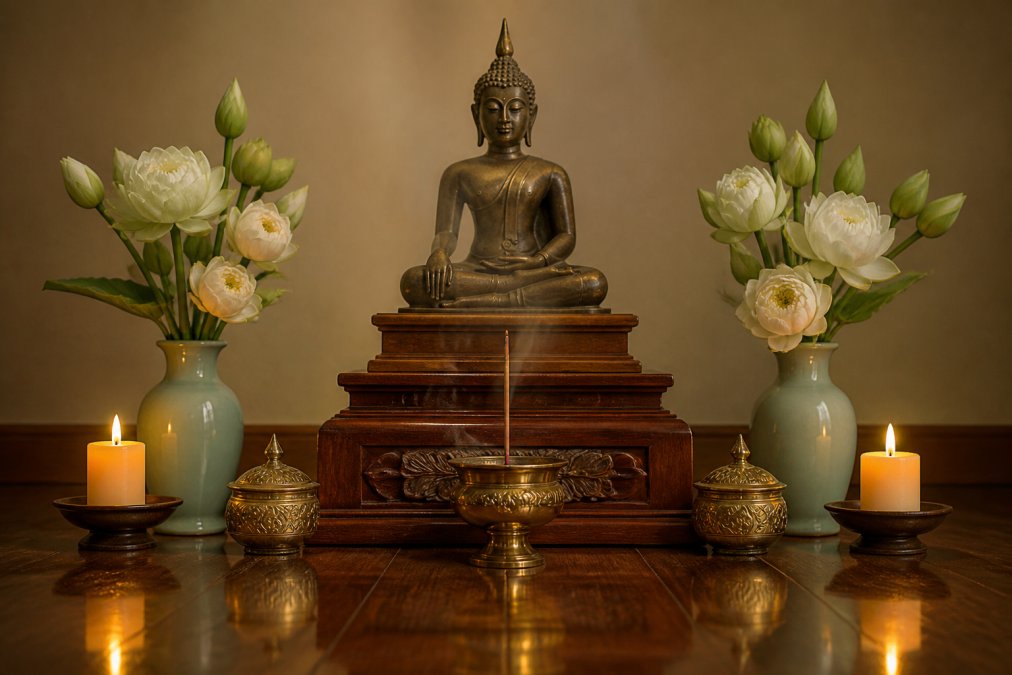
Fai:
- Posiziona la statua su una superficie elevata come un piedistallo, uno scaffale, un tavolo d'altare o un santuario. Il posizionamento a livello del suolo contraddice l’etichetta buddista indipendentemente da altri fattori.
- Posiziona la statua all'altezza degli occhi o leggermente sopra quando sei seduto, creando un punto focale naturale per la meditazione o la riflessione.
- Mantieni l'area attorno alla statua pulita e relativamente ordinata. Una disposizione semplice e intenzionale onora il significato dell'immagine.
- Usa un'illuminazione morbida e indiretta che metta in risalto la statua senza creare ombre dure. La luce naturale è spesso l'ideale.
- Spolvera delicatamente la statua con un panno morbido, trattando l'atto come una forma di cura e riverenza piuttosto che come pulizia di routine.
- Mettiti di fronte alla statua durante la meditazione o la riflessione, posizionandoti in modo da poter vedere chiaramente l'immagine senza guardarla dall'alto.
- Considera il contesto culturale e spirituale della statua quando scegli la collocazione, anche se ne sei attratto principalmente dal punto di vista estetico.
- Proteggi la statua da potenziali danni tenendola lontana da aree ad alto traffico, zone giochi per bambini e animali domestici che potrebbero rovesciarla.
Non:
- Posiziona la statua direttamente sul pavimento, poiché questa posizione viola i principi fondamentali dell'etichetta buddista e mostra mancanza di rispetto attraverso l'elevazione.
- Posiziona la statua dove potrebbe essere calpestata o dove i piedi delle persone puntano naturalmente verso di essa durante le attività quotidiane.
- Mostra la statua in spazi disordinati o caotici dove si fonde con altri oggetti piuttosto che distinguersi come qualcosa di significativo.
- Usa un'illuminazione ambientale intensa che crei ombre poco lusinghiere o faccia sembrare la statua istituzionale piuttosto che sacra.
- Maneggia la statua in modo approssimativo o lascia che venga toccata con noncuranza da visitatori che non hanno familiarità con il suo significato.
- Posiziona la statua in una camera da letto utilizzata principalmente per dormire, a meno che la stanza non includa uno spazio dedicato alla meditazione in cui la statua svolge una funzione spirituale.
- Combina la statua con oggetti decorativi non correlati in modo da diminuirne la presenza o suggerire che sia semplicemente un oggetto tra tanti.
- Lascia la statua esposta a polvere, umidità o sbalzi di temperatura che potrebbero danneggiare l'opera d'arte nel tempo.
L’espressione rispettosa riflette in definitiva l’intenzionalità. Quando posizioni una statua di Buddha con attenzione, scegliendo l'elevazione appropriata, creando uno spazio circostante pulito e proteggendola dai danni, comunichi che l'immagine è importante. Questo approccio onora le tradizioni culturali buddiste creando allo stesso tempo un ambiente domestico più pacifico e spiritualmente radicato.
Una statua di Buddha merita una collocazione che rifletta il suo significato culturale e spirituale. Che tu sia un professionista serio che costruisce uno spazio di meditazione o un collezionista che apprezza l'arte del sud-est asiatico, la corretta elevazione e l'esposizione intenzionale trasformano il modo in cui il pezzo funziona nella tua casa. Presso HD Asian Art, la nostra collezione accuratamente curata di autentiche statue buddiste e indù abbina un'eccezionale maestria con una guida sul posizionamento rispettoso. Esplora i nostri pezzi ispirati ai templi progettati per migliorare gli spazi di meditazione e creare raffinati interni domestici spirituali con spedizione gratuita sul tuo ordine.
Domande frequenti
Dove non dovresti mettere una statua di Buddha?
Evita di posizionare le statue del Buddha sul pavimento, nei bagni, nelle cucine o vicino alle aree dei rifiuti. Non posizionare mai una statua dove potrebbe essere calpestata o sotto il livello degli occhi. Le camere da letto sono tradizionalmente evitate a meno che non siano spazi dedicati alla meditazione. Tieni le statue lontane dalle aree ad alto traffico dove è probabile un contatto accidentale o un danno. L'iconografia rappresenta riverenza e pratica spirituale, quindi il posizionamento dovrebbe riflettere tale santità.
Quali sono le regole per conservare una statua di Buddha?
Le regole per il posizionamento delle statue di Buddha richiedono l'elevazione su un piedistallo, un altare o uno scaffale all'altezza degli occhi o sopra. La statua dovrebbe essere rivolta verso la zona giorno principale per fungere da punto focale per la consapevolezza. Mantieni la statua pulita e priva di polvere, maneggiandola con rispetto. Evita di puntare la pianta dei piedi verso l'immagine, poiché questo è considerato profondamente irrispettoso nella cultura buddista. Lo spazio intorno alla statua dovrebbe essere intenzionale e relativamente tranquillo, supportando la pratica spirituale piuttosto che un caotico arredamento domestico.
L'altezza di una statua di Buddha è importante per il rispetto?
Sì, l'elevazione è fondamentale per un'esposizione rispettosa. Buddharupa (immagini del Buddha) dovrebbe essere posizionato all'altezza degli occhi o sopra per trasmettere riverenza e prevenire il contatto accidentale. Un piedistallo o un santuario solleva la statua in modo appropriato e crea un punto focale dell'oggetto sacro. Negli spazi piccoli, anche un posizionamento modesto sullo scaffale funziona se raggiunge il posizionamento all’altezza degli occhi. L'altezza simboleggia il significato spirituale della statua e garantisce che l'immagine sia trattata con la dignità richiesta dall'iconografia buddista.
Posso tenere una statua di Buddha nella mia camera da letto?
L’etichetta buddista tradizionale scoraggia la collocazione delle camere da letto perché sono considerate spazi privati e intimi non allineati con la pratica devozionale. Tuttavia, se la tua camera da letto funge da spazio dedicato alla meditazione con un uso spirituale intenzionale, è accettabile un posizionamento rispettoso su un santuario elevato. La distinzione fondamentale è se la statua rappresenta devozione religiosa o intento meramente decorativo. Se scegli la collocazione nella camera da letto, assicurati che la statua sia elevata, indisturbata e trattata con la stessa riverenza che riceverebbe un altare.
