



Asian Art Gift: Why a Sculpture Means More
Asian Art Gift: Why a Sculpture Means More
Most gifts are forgotten within a week. The candle burns down, the wine gets drunk, the voucher expires. But an authentic Asian sculpture sits on a shelf, a mantlepiece, or a home altar for decades, carrying the weight of a culture, a craft tradition, and a genuine act of thought.
If you are looking for an Asian art gift that actually means something, a museum-quality Buddhist or Hindu sculpture is in a category entirely its own. This article explains why, and how to choose the right piece for the right person.
Table of Contents
- Why Sculptures Outlast Every Other Gift
- The Cultural Weight of Giving Art in Asian Traditions
- Who Actually Appreciates This Kind of Gift
- How to Choose the Right Sculpture for the Right Person
- Comparison: Buddha Statue vs. Hindu Deity Sculpture vs. Decorative Lacquerware
- What Makes a Sculpture Truly Authentic
- Frequently Asked Questions
- References
Why Sculptures Outlast Every Other Gift
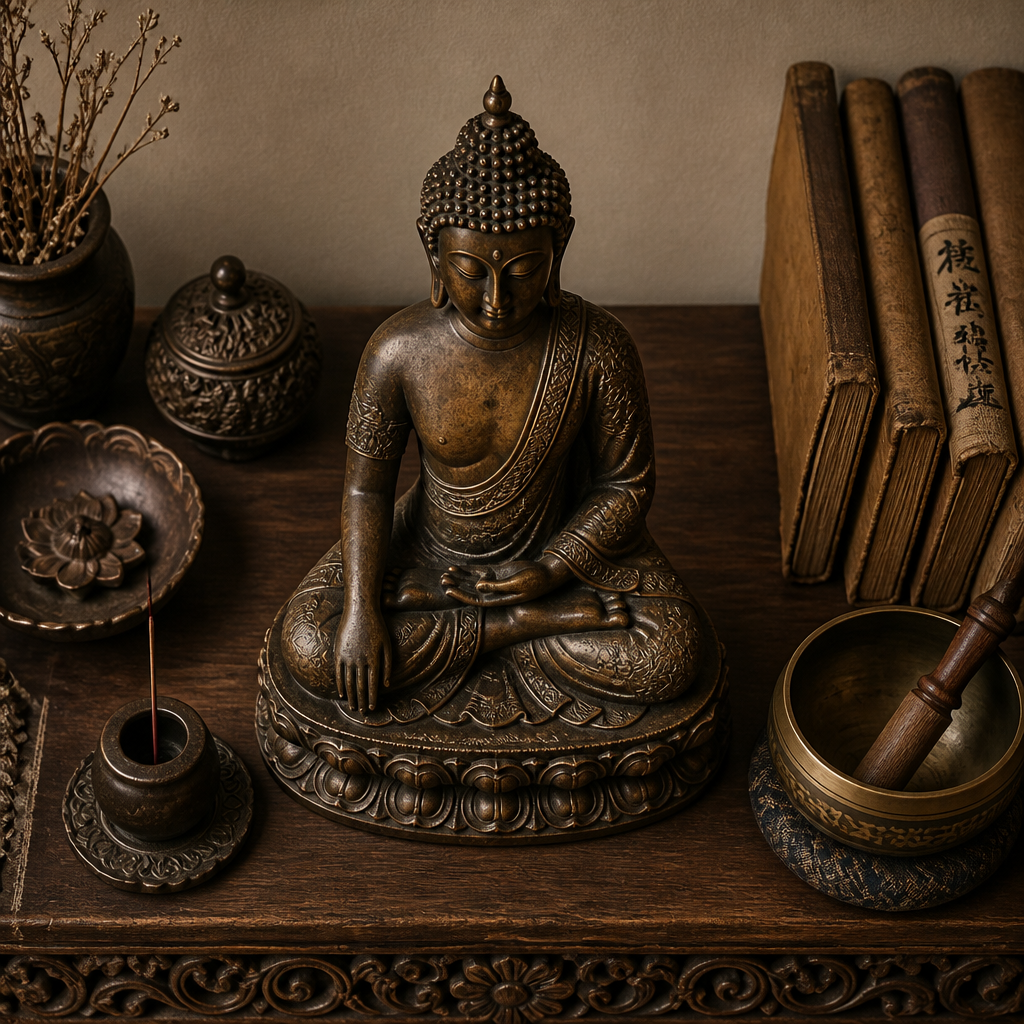
There is a simple reason art collectors and spiritual practitioners receive sculptures as their most treasured gifts: objects with genuine cultural and artistic heritage do not depreciate in meaning over time. They compound it. Every year a bronze Burmese Buddha or a sandstone Cambodian Ganesha sits in a home, it gathers personal association, becomes part of the household's visual identity, and deepens its connection to the person who received it.
Compare that to a restaurant experience, a luxury scarf, or even a signed print. These are fine gifts. But they do not anchor a room. They do not invite conversation every time a guest enters. A well-chosen sculpture does both.
Pro tip: When selecting a meaningful art gift, think about where it will live in the recipient's home. A tabletop piece in bronze works differently from a larger stone figure intended as a room focal point. Match the scale to the space, not just the aesthetic.
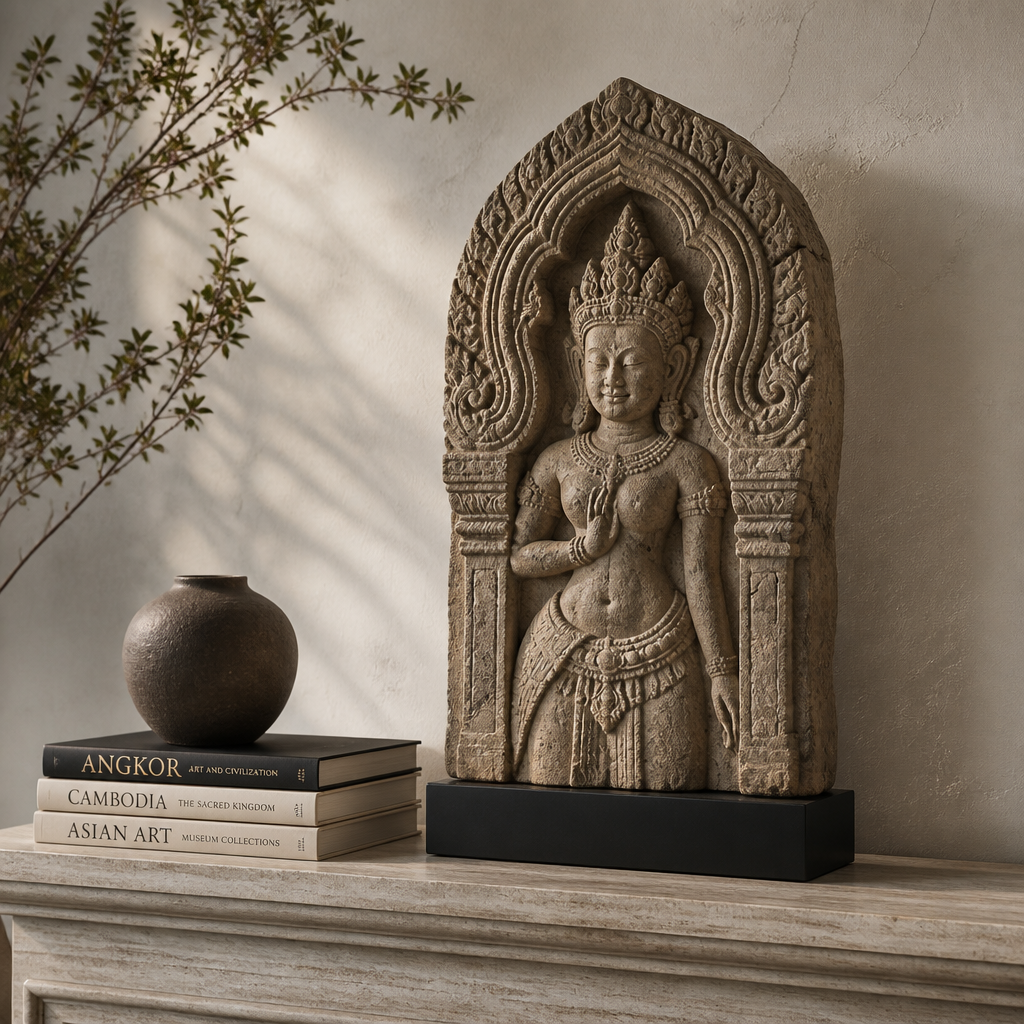
The specific countries of origin at HD Asian Art, including Burma, Cambodia, China, India, Indonesia, Japan, Laos, Sri Lanka, and Thailand, represent some of the most accomplished sculptural traditions in human history. Selecting a piece from one of these regions is not just an aesthetic choice. It is a statement that you took the time to find something real.
The Cultural Weight of Giving Art in Asian Traditions
Gift giving across Asian cultures carries a significance that goes well beyond the exchange of objects. In Chinese culture, gifts are understood through the lens of Confucian values, particularly the maintenance of harmony and the demonstration of respect for relationships. The concept of 礼尚往来 (Lǐ Shàng Wǎng Lái), meaning courtesy demands reciprocity, frames gifts as expressions of relational commitment, not mere gestures.
In Japan, Thailand, Indonesia, and Korea, the act of giving and the care taken in selecting a gift communicate something about the giver's character and the value they place on the relationship. A thoughtless gift is noticed. A deeply considered one is remembered.
This is precisely why an authentic sculpture works so well. It signals serious consideration. It is not something purchased in ten minutes from a department store. It reflects knowledge of the recipient's interests, an understanding of artistic and spiritual traditions, and a willingness to invest in something of lasting value.
The best gifts communicate something the giver cannot quite say in words. A sculpture that reflects the recipient's spiritual practice or aesthetic sensibility does exactly that, without a single syllable.
It is also worth noting what to avoid in culturally aware gift giving. Items associated with endings, separation, or death, such as clocks (which in Chinese carry associations with completed burials), cut flowers at a funeral, or black-and-white objects, are poor choices when giving to someone with Asian cultural roots. A beautifully rendered Buddha or deity sculpture carries entirely the opposite symbolism: peace, protection, wisdom, and enduring presence.
Who Actually Appreciates This Kind of Gift
Not every gift suits every person. An authentic Asian sculpture is an exceptional gift for a specific set of recipients, and understanding who they are matters before you buy.
Art Collectors and Antiquities Enthusiasts
A serious art collector already understands quality. What they want is rarity, provenance, and craftsmanship they cannot easily replicate with a quick online search. A gift for art collector audiences needs to meet a high bar. Museum-quality pieces sourced from across Asia, with clearly documented regional origins, satisfy that bar in a way that mass-produced decorative items never will. For this audience, the country and period of origin matters enormously. A Thai bronze from the Ayutthaya period carries different meaning to a collector than a contemporary decorative reproduction.
Spiritual Practitioners and Home Altar Decorators
For someone who maintains a Buddhist or Hindu home practice, a Buddha statue gift or Hindu sculpture gift is not decorative. It is functional in the deepest sense. It becomes a focal point for meditation, prayer, or daily intention-setting. The quality of the sculpture matters here too, not for investment reasons, but because a piece that is crude or inauthentic feels incongruous in a sincere spiritual space.
Pro tip: If the recipient follows a specific Buddhist tradition, such as Theravada, Mahayana, or Vajrayana, the hand gesture (mudra) of a Buddha statue carries specific meaning. A Dhyana mudra (hands resting in the lap) signals meditation and calm. A Vitarka mudra (raised hand, teaching gesture) signals instruction and wisdom. Matching the mudra to the recipient's practice turns a beautiful object into a genuinely personal gift.
How to Choose the Right Sculpture for the Right Person
The single most common mistake people make when buying an Asian art gift is choosing based on their own taste rather than the recipient's. A minimalist who favors Japanese aesthetics will not connect with the same piece as someone drawn to the ornate, polychromatic sculptures of South Indian temple traditions. Ask yourself what you know about the recipient's home, their practice, and their existing collection before you browse.
Matching Region of Origin to Personal Connection
Regional origin is one of the most meaningful ways to personalise a sculpture gift. If the recipient has spent time in Thailand, a traditional Thai bronze Buddha carries biographical resonance. If they practice Tibetan Buddhism, a figure associated with the Vajrayana tradition speaks directly to their path. If they have Indian heritage, a Hindu sculpture gift of Ganesha, Lakshmi, or Shiva connects to something ancestral, not just decorative.
Choosing the Right Material
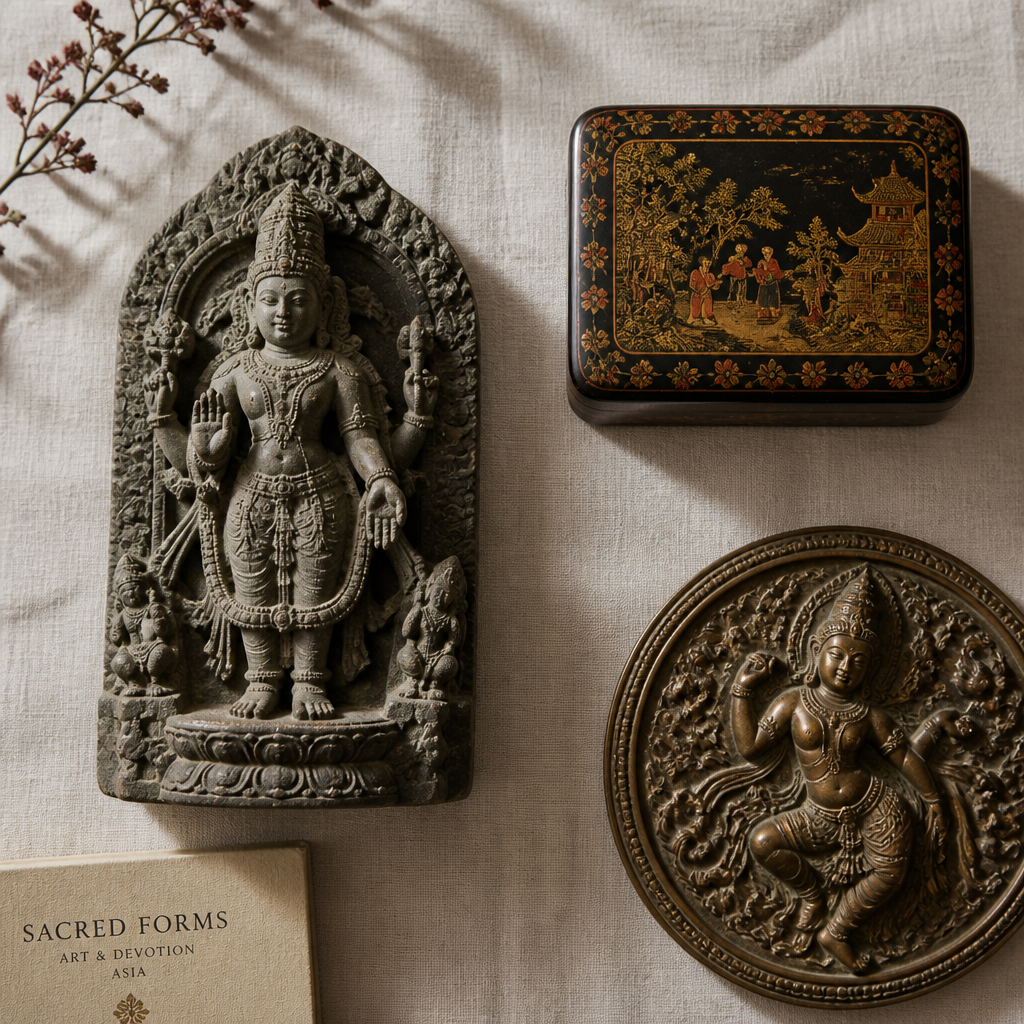
Bronze, stone, wood, and lacquered materials each convey different qualities. Bronze is durable, formal, and associated with temple worship across most of Southeast Asia. Stone carries weight and permanence, and tends to suit architectural spaces or garden settings. Lacquerware from Burma, with its intricate patterns and vivid colours, makes a striking and culturally specific gift for someone who appreciates traditional craft as art.
Comparison: Buddha Statue vs. Hindu Deity Sculpture vs. Decorative Lacquerware
Different sculpture types suit different recipients and occasions. The table below breaks down the key distinctions to help you narrow your choice.
|
Gift Type |
Best Suited For |
Key Consideration |
|---|---|---|
|
Buddha Statue |
Spiritual practitioners, meditation enthusiasts, collectors of Buddhist art from Burma, Cambodia, Thailand, Japan, Sri Lanka, Laos, China |
Mudra (hand gesture) carries specific meaning. Match to the recipient's practice or intention. Regional style (Thai, Burmese, Gandharan) affects iconography significantly. |
|
Hindu Deity Sculpture |
Practitioners of Hindu traditions, collectors of South and Southeast Asian art, recipients with Indian or Indonesian heritage |
Deity selection matters deeply. Ganesha (new beginnings, success), Lakshmi (prosperity), Shiva (transformation). A well-chosen deity reads as genuinely thoughtful. |
|
Burmese Lacquerware |
Collectors of traditional craft, home decorators, recipients who appreciate applied arts as much as fine art sculpture |
Highly distinctive visual tradition. Less overtly spiritual than a statue, making it an easier choice for recipients whose religious background is unknown to the giver. |
What Makes a Sculpture Truly Authentic
The word "authentic" is used loosely in the decorative arts market. Understanding what it actually means in the context of Asian religious sculpture helps you give a gift that holds its value and integrity over time.
At the level HD Asian Art operates, authenticity means pieces that are museum-quality, sourced directly from their regions of origin, and representative of real artistic traditions rather than tourist-market approximations. There is a visible difference between a bronze cast in a traditional workshop using methods developed over centuries and a resin reproduction treated to look antique. The weight, the surface detail, the way light falls across the form, these are all immediately apparent to anyone who has handled both.
The key distinction between HD Asian Art and competitors in this space is specificity of sourcing. While many retailers aggregate "Asian art" as a general category, a specialist operation with defined regional sourcing across nine countries offers something different: traceability to a specific tradition, a specific material practice, and a specific visual language. That specificity is what makes a gift meaningful rather than merely decorative.
A common mistake buyers make is confusing age with quality. An old piece is not automatically a better piece. What matters in a sculpture gift is the quality of the craftsmanship, the integrity of the iconography, and the representativeness of the piece within its tradition. A well-made contemporary bronze from a traditional Thai workshop can be a more meaningful gift than a damaged antique with unclear provenance.
Frequently Asked Questions
Is a Buddha statue an appropriate gift for someone who is not Buddhist?
Yes, in most contexts. Buddha statues are widely appreciated for their aesthetic qualities, their symbolism of peace and stillness, and their presence as objects of contemplative beauty. Many non-Buddhists display them in homes and gardens. The more important consideration is whether the recipient is likely to display or appreciate the piece, rather than whether they follow a specific practice.
What is the difference between a Buddha statue from Thailand and one from Burma?
The regional style affects everything from facial features and crown ornamentation to the treatment of robes and the posture of the figure. Thai Buddha statues often feature elongated, flame-shaped ushnishas (the topknot) and highly stylised facial features. Burmese figures tend toward more naturalistic proportions, often with elaborate lacquer and gilding. Both traditions are distinct and recognisable to any collector familiar with Southeast Asian art.
How do I choose a Hindu deity sculpture as a gift?
Start with what you know about the recipient's practice or family tradition. Ganesha is considered a deity of new beginnings and the removal of obstacles, making it an appropriate gift for someone starting a new chapter in life. Lakshmi is associated with prosperity and wellbeing. Shiva is revered as a deity of transformation and is central to Shaivite practice. If you are unsure of the recipient's specific devotion, Ganesha is the most universally welcomed choice across Hindu traditions.
Will a sculpture hold its value over time?
Museum-quality sculptures sourced from established artistic traditions generally hold their value better than mass-produced decorative objects. The value of a piece depends on its quality of craftsmanship, the specificity of its regional and stylistic origin, and its condition over time. As with any meaningful art gift, the primary value is not financial but relational and aesthetic. That said, pieces of genuine quality rarely depreciate in the way that commodity goods do.
What size sculpture makes the best gift?
This depends entirely on where it will be placed. A tabletop figure in the 20-40 cm range suits most domestic settings, from a home altar to a living room shelf. Larger pieces work well in garden settings or as statement pieces in entrance halls. When in doubt, a medium-sized tabletop bronze is the safest and most versatile choice. Always consider whether the recipient has space for the piece before committing to a large sculpture.
Is it culturally respectful to give a religious sculpture as a secular gift?
This is a question worth taking seriously. In general, Buddhist and Hindu sculptures have a long tradition of being appreciated as art objects as well as religious ones, and there is no widespread cultural prohibition on giving or receiving them as gifts outside a strictly devotional context. The respectful approach is to treat the piece with the care its iconographic significance deserves, which means presenting it thoughtfully and not, for example, placing a Buddha figure on the floor or in a bathroom.
Have you given or received an Asian sculpture as a gift? Share what made it meaningful, or what you wish you had known before choosing it.
References
