


I posti migliori per acquistare arte religiosa autentica online
I posti migliori per acquistare arte religiosa autentica online
Sommario
-
Le migliori piattaforme per l'autentica arte religiosa
- Arte asiatica HD: sculture buddiste e indù
- The Catholic Company: ampia selezione cattolica
- Casa di Giaffa: estetica cattolica moderna
- Gilda di San Patrizio: arte cristiana affidabile dal 1949
- Icone del monastero: iconografia ortodossa tradizionale
- Demetz Art Studio: artigianato ecclesiastico italiano
Ciò che rende autentica l’arte religiosa
L'autenticità nell'arte religiosa dipende dalla provenienza, dall'artigianato e dall'integrità della storia d'origine del pezzo. La differenza tra l’autentica arte religiosa e le repliche prodotte in serie sta nella documentazione e nell’identità del produttore. I pezzi autentici portano storie verificabili: chi li ha creati, dove sono stati realizzati e come sono stati conservati. Gli articoli prodotti in serie danno priorità all'efficienza rispetto all'arte, fabbricati in grandi volumi utilizzando stampi standardizzati che privano del carattere individuale.
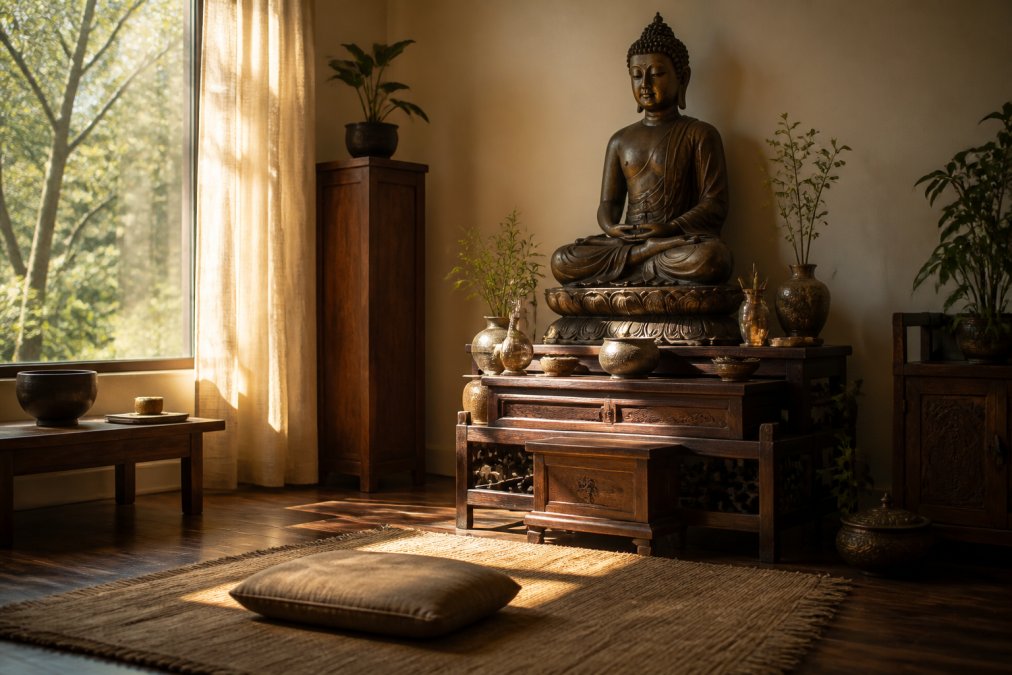
HD Asian Art è specializzato in buddisti e Statue indù accanto a squisite sculture Khmer e del sud-est asiatico, concentrandosi in particolare su pezzi con origini documentate e artigianato autentico.
Provenienza e documentazione
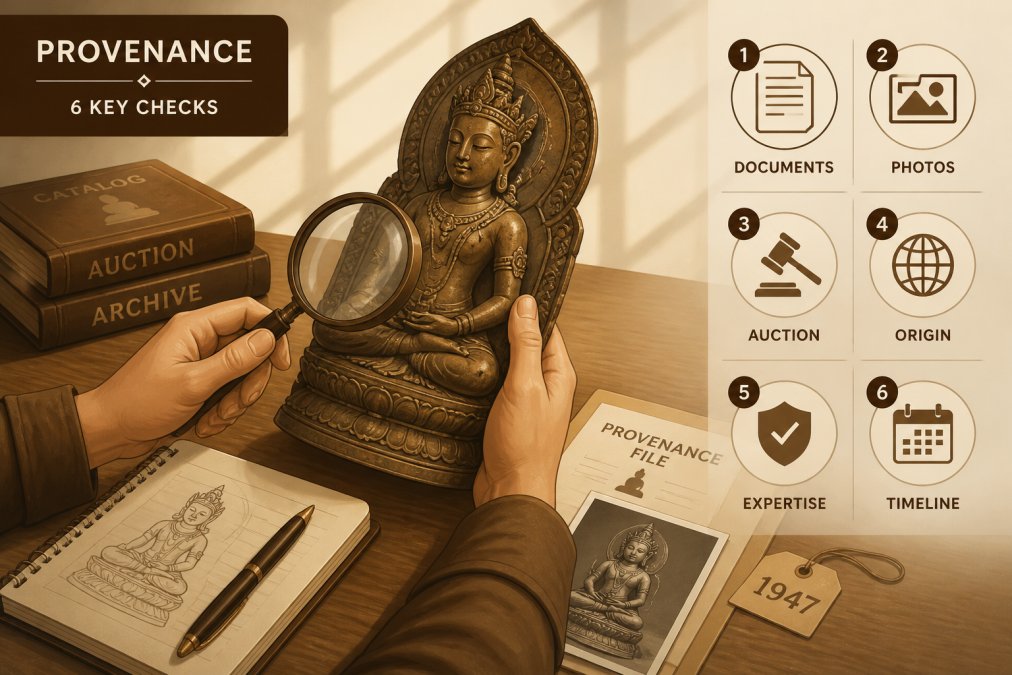
Provenienza è la storia documentata della proprietà e dell'origine di un'opera d'arte. La forte provenienza include documenti di proprietari precedenti, date di acquisizione, storia delle mostre e attribuzioni accademiche.
Quando esamini la provenienza, cerca:
- Certificati di autenticità da rivenditori o case d'asta affidabili
- Registri dettagliati di acquisizione indicando dove e quando è stato ottenuto il pezzo
- Attribuzioni degli esperti da studiosi o curatori di musei della tradizione rilevante
- Documentazione fotografica mostrando le condizioni del pezzo nel tempo
- Analisi dei materiali confermando l'età e la provenienza dei materiali
La debole provenienza e le vaghe affermazioni del venditore come "questo proviene da una collezione privata" senza specifiche, dovrebbero sollevare domande immediate. I rivenditori legittimi forniscono informazioni dettagliate sull'approvvigionamento e possono risalire alla storia di diversi decenni o più.
Prodotto artigianale vs. prodotto in serie
L’arte religiosa artigianale porta con sé caratteristiche che la produzione industriale non può replicare. I pezzi realizzati artigianalmente mostrano variazioni individuali: sottili differenze nella profondità dell'intaglio, dettagli dipinti a mano che variano leggermente e imperfezioni intenzionali che dimostrano l'abilità umana. Gli oggetti prodotti in serie realizzati con stampi sono copie identiche, segnalando una mancanza di attenzione individuale.
I pezzi autentici utilizzano spesso materiali tradizionali, legno selezionato a mano e invecchiato adeguatamente, pigmenti naturali che sviluppano patina o fusione in bronzo utilizzando tecniche secolari. La produzione di massa dà priorità ad alternative più economiche: materiali compositi, vernici sintetiche e scorciatoie di finitura.
Come verificare la provenienza dell'arte religiosa
La verifica della provenienza richiede la revisione della documentazione e un'attenta ispezione visiva. Inizia ponendo domande dirette al venditore sulla storia del pezzo, quindi incrocia le sue risposte con ciò che osservi.
Documentazione e Certificati di Autenticità
Un legittimo certificato di autenticità dovrebbe includere dettagli specifici: il nome dell'artista (se noto), la data di creazione o acquisizione, i materiali utilizzati, le dimensioni e la base per l'attribuzione. Certificati vaghi che indicano solo "autentico" sono quasi inutili.
Richiedere la seguente documentazione prima dell'acquisto:
- Certificato di autenticità con le credenziali e la data dell'esperto emittente
- Dichiarazione di provenienza tracciare la storia della proprietà indietro di almeno 20-30 anni
- Analisi dei materiali risultati se si ritiene che il pezzo sia antico
- Fotografie mostrando le condizioni del pezzo al momento della vendita
- Corrispondenza o documenti che mostrano come il commerciante ha acquisito il pezzo
I musei e i rivenditori affermati mantengono registri dettagliati per ogni pezzo che vendono. Se un venditore non è in grado di fornire la documentazione, è un segnale di allarme.
Bandiere rosse e tattiche comuni di inganno
L’inganno nel mercato dell’arte religiosa segue schemi prevedibili. I venditori che dichiarano "qualità museale" o "museo disattivato" senza fornire la documentazione museale in genere esagerano.
Le tattiche di inganno comuni includono:
- Datazione vaga: "Circa 200 anni" senza attribuzione specifica
- Affermazioni di esperti non verificabili: "Certificato da uno studioso rinomato" senza nominare lo studioso
- Finiture invecchiate artificialmente: Pezzi nuovi trattati per apparire vecchi attraverso colorazione o applicazione di patina
- Riproduzione confusa con l'originale: Vendita di riproduzioni del XX secolo come originali antichi
- Provenienza sopravvalutata: I pezzi dichiarati provenivano da collezioni famose senza documentazione
- Ancoraggio dei prezzi: Confrontando pezzi con record d'asta molto diversi per giustificare prezzi gonfiati
Chiedi ai venditori di fornire il nome, le credenziali e le informazioni di contatto di chiunque abbia autenticato un pezzo. Gli esperti legittimi sostengono le loro attribuzioni.
Requisiti legali per l'acquisto di antichità negli Stati Uniti
Gli Stati Uniti applicano norme severe sull’importazione di antichità, in particolare di oggetti provenienti da paesi con leggi sul patrimonio culturale. Il quadro giuridico principale è la Convenzione sull'attuazione dei beni culturali (CCPIA), che limita le importazioni di materiali archeologici o etnologici da paesi designati, tra cui molti Sud-est asiatico paesi in cui hanno origine le sculture buddiste e indù.
Per gli oggetti dichiarati antichi, il venditore deve fornire:
- Permessi di esportazione dal paese di origine, se richiesto
- Importa documentazione mostrando che il pezzo è entrato legalmente negli Stati Uniti
- Moduli di dichiarazione (Modulo doganale statunitense 6059-B) se acquistato a livello internazionale
- Prova di acquisizione precedenti a qualsiasi legge sulla protezione culturale nel paese di origine
La violazione di queste norme può comportare il sequestro dell'opera d'arte e multe significative. Rivenditori affidabili gestiscono la conformità e la documentazione. Quando acquisti da venditori privati o fonti internazionali, verifica che tutti i requisiti legali siano stati soddisfatti.
Le migliori piattaforme per l'autentica arte religiosa
1. Arte asiatica HD, ideale per autentiche sculture buddiste e indù
HD Asian Art offre una collezione accuratamente curata di statue buddiste e indù insieme a squisite sculture Khmer e del sud-est asiatico, sottolineando l'autenticità attraverso pezzi antichi e contemporanei selezionati con cura con provenienza documentata.
Ciò che distingue HD Asian Art è la loro specializzazione nell'arte sacra del sud-est asiatico. Piuttosto che offrire articoli religiosi generici, si concentrano specificamente su pezzi con un autentico significato culturale e spirituale. Le loro statue buddiste e indù provengono con attenzione all'artigianato e al contesto storico, ideali per collezionisti e praticanti seri che cercano pezzi significativi per spazi di meditazione e altari domestici.
Ogni pezzo è selezionato per qualità e autenticità, non per volume, risultando in un inventario attentamente controllato. La spedizione gratuita è inclusa, riducendo la barriera finanziaria all'acquisto di pezzi di valore superiore.
2. La Compagnia Cattolica, Ampia Selezione Cattolica
The Catholic Company fornisce un ampio inventario di tutte le categorie di arte cattolica: stampe incorniciate, tele, croci, crocifissi, statue e icone. I prezzi variano nel loro catalogo, con stampe incorniciate che partono da circa $ 25 e pezzi su tela vicino a $ 70.
La piattaforma organizza gli articoli per sacramento, occasione, destinatario e devozione, rendendo più facile trovare oggetti devozionali specifici. Offrono opzioni di personalizzazione per i regali.
Il limite principale è la loro attenzione specifica all’arte cattolica, con un fascino limitato per altre tradizioni cristiane o fedi non cristiane.
3. Casa di Giaffa, Estetica cattolica moderna
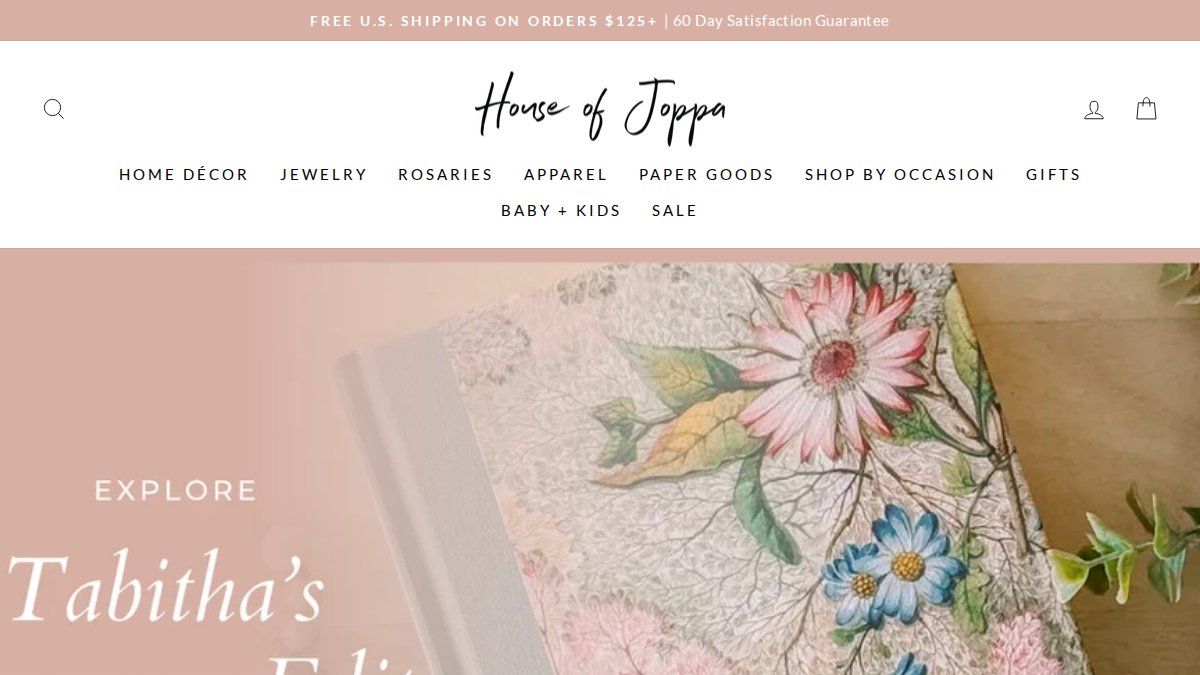
House of Joppa è un negozio cattolico a conduzione familiare che cura pezzi dall'estetica contemporanea. Molti articoli sono realizzati artigianalmente o creati grazie alla collaborazione con artisti cattolici. Un medaglione da muro vintage del Sacro Cuore costa circa $ 37, mentre un crocifisso in legno italiano costa circa $ 121.
Il loro approccio curato significa meno articoli totali rispetto ai rivenditori più grandi. Il loro sostegno agli artisti cattolici e alle piccole imprese aggiunge una dimensione etica agli acquisti.
4. Gilda di San Patrizio, arte cristiana affidabile dal 1949
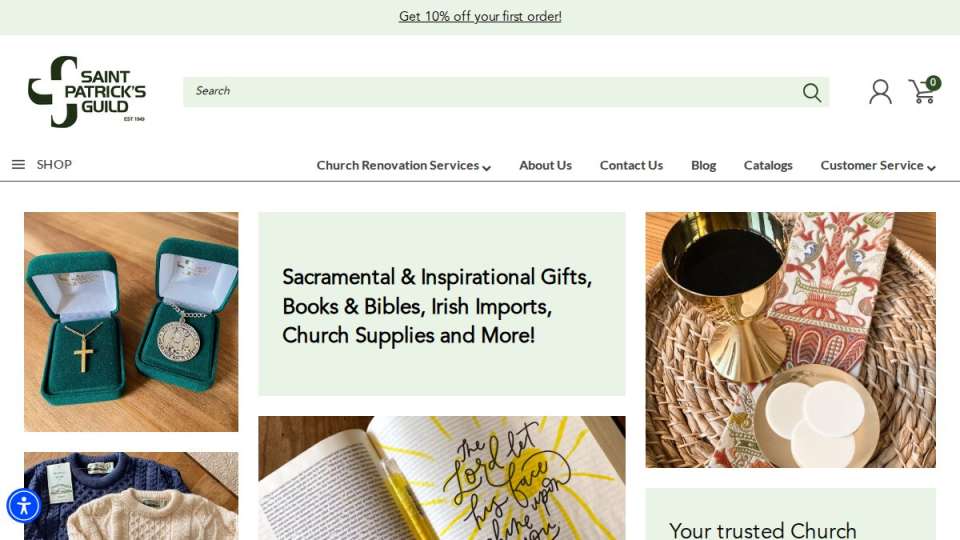
La St. Patrick's Guild serve la comunità cristiana da oltre 75 anni, conquistandosi una reputazione di qualità e affidabilità. Il loro catalogo comprende stampe incorniciate, tele, targhe murali, croci, statue e angeli custodi arte per spazi per bambini.
La loro reputazione consolidata e la loro selezione diversificata attraggono gli acquirenti che danno priorità all’affidabilità. La loro inclusione di arte per bambini e spazi familiari li differenzia dai rivenditori concentrati esclusivamente sull'arte devozionale per adulti.
5. Icone dei monasteri, iconografia tradizionale ortodossa
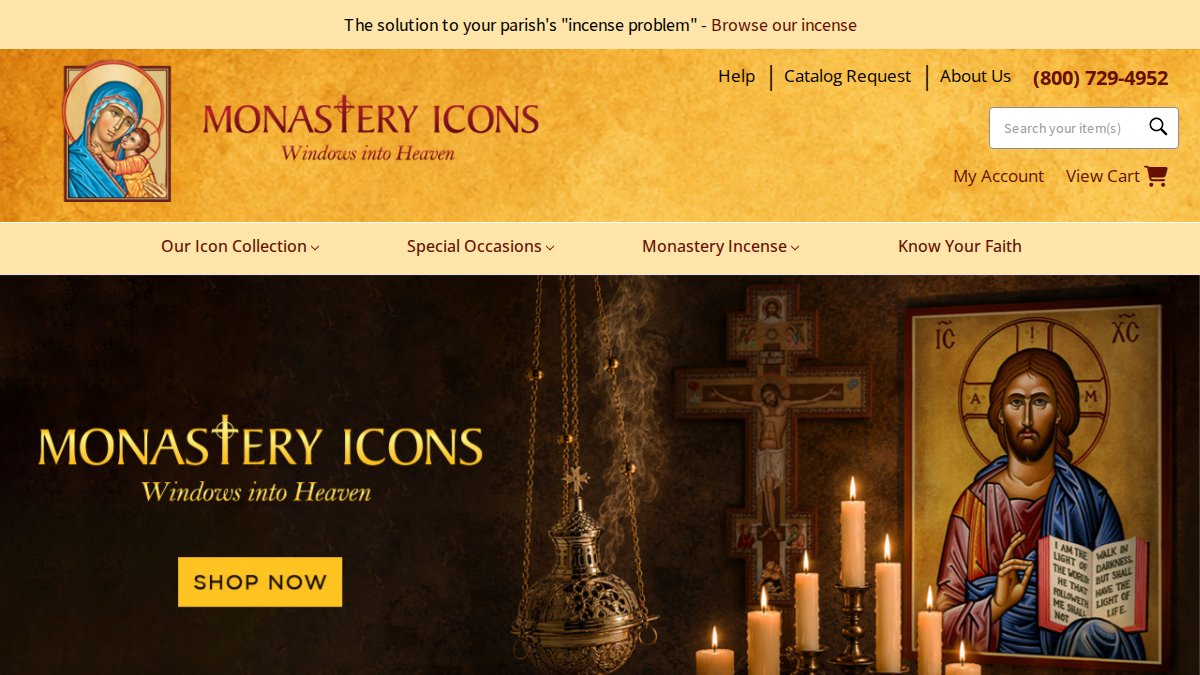
Monastero Icone è specializzato nell'iconografia cristiana tradizionale, offrendo icone di Cristo, della Vergine Maria, delle Grandi Feste, degli Angeli Santi e di vari santi. Le icone partono da meno di $ 20, rendendole accessibili per creare una collezione.
Il focus specializzato significa un fascino limitato al di fuori del cristianesimo ortodosso. Tuttavia, per coloro che desiderano specificamente l’autentica iconografia ortodossa, la loro specializzazione è un punto di forza.
6. Demetz Art Studio, Artigianato Ecclesiastico Italiano
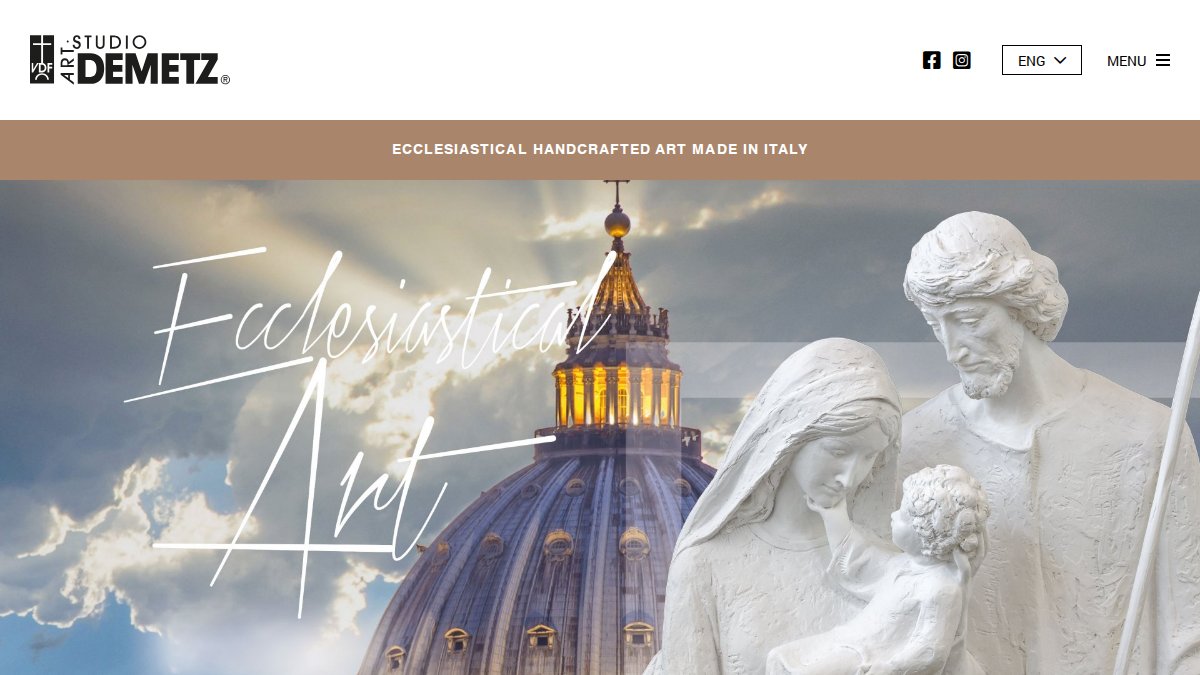
Demetz Art Studio, fondato nel 1872, continua la tradizione della scultura in legno in Val Gardena, Italia. La loro eredità nell'arte ecclesiastica abbraccia oltre 150 anni, rappresentando la continuità nell'artigianato tradizionale.
Producono arte ecclesiastica di alta qualità per le istituzioni cattoliche di tutto il mondo, lavorando con legno, bronzo, fibra di vetro, marmo e mosaico. La determinazione dei prezzi richiede un contatto diretto per i preventivi, riflettendo la loro attenzione al lavoro personalizzato e istituzionale piuttosto che ai consumatori al dettaglio.
Scegliere l'arte sacra giusta per il tuo spazio
Selezionare l'autentica arte religiosa implica qualcosa di più dell'estetica. Considera come il pezzo funziona spiritualmente e fisicamente nel tuo spazio.
Iconografia religiosa e simbolismo spirituale
Comprendere l'iconografia e il simbolismo di un pezzo garantisce che sia in linea con la tua pratica spirituale. Le sculture buddiste portano significati specifici: un Buddha in posa di meditazione rappresenta l'illuminazione e la pace interiore, mentre una figura di Bodhisattva rappresenta la compassione. Allo stesso modo, la statuaria indù porta con sé un simbolismo stratificato, Ganesh per rimuovere gli ostacoli, Lakshmi per prosperità, Shiva per trasformazione.
L'iconografia cristiana funziona in modo simile. Le icone ortodosse seguono rigide convenzioni teologiche riguardo al colore, al posizionamento e agli elementi simbolici. L'arte sacra cattolica spesso enfatizza la passione di Cristo o il ruolo materno di Maria. Ricerca la figura o la scena specifica raffigurata prima dell'acquisto per approfondire la tua connessione con l'opera.
Dimensioni, collocazione e contesto liturgico
La scala di una statua è profondamente importante. Misura la parete o l'area dell'altare dove prevedi di posizionare il pezzo. Un pezzo dovrebbe occupare circa il 25-40% del campo visivo in cui è posizionato.
L'illuminazione influenza il modo in cui appare un pezzo. Le sculture con dettagli scolpiti richiedono un'illuminazione adeguata per mostrare la loro maestria. Le icone dipinte dipendono da un'illuminazione adeguata per rivelare il lavoro dell'artista.
Se stai creando un altare domestico per la pratica quotidiana, il pezzo dovrebbe essere rivolto verso di te durante la meditazione o la preghiera. Pensa alle linee di vista e al modo in cui le persone incontrano naturalmente l'opera quando entrano nella stanza.
Cura e conservazione dell'arte sacra
L'autentica arte religiosa richiede cure adeguate per mantenere le sue condizioni e la sua longevità. Materiali diversi richiedono approcci diversi.
Le sculture in legno necessitano di umidità e temperatura stabili. Tieni i pezzi di legno lontani dalla luce solare diretta, che sbiadisce i dettagli dipinti e secca il legno. Spolverare delicatamente con panni morbidi e asciutti, non usare mai acqua o prodotti chimici aggressivi.
I pezzi verniciati richiedono protezione dall'umidità e dalla luce solare diretta. L'esposizione ai raggi UV sbiadisce i pigmenti nel tempo. Esponi le opere d'arte dipinte lontano dalle finestre o utilizza il vetro con protezione UV se montato a parete. Evita di appendere opere d'arte nei bagni o nelle cucine dove l'umidità oscilla.
Le sculture in bronzo e metallo sono relativamente durevoli ma beneficiano di una pulizia delicata occasionale. Utilizzare panni morbidi ed evitare materiali abrasivi che graffiano la patina.
Per i pezzi antichi di valore, prendere in considerazione la conservazione professionale in caso di danni. Il restauro amatoriale può ridurre significativamente il valore di un pezzo.
Conservare i pezzi non attualmente esposti in un luogo fresco e asciutto. Avvolgere le sculture in un panno privo di acidi per evitare l'accumulo di polvere. Evitare l'involucro di plastica, che intrappola l'umidità.
| Materiale | Condizioni di conservazione | Metodo di pulizia | Requisiti di illuminazione |
|---|---|---|---|
| Legno | Umidità fresca, asciutta e stabile | Solo panno morbido e asciutto | Preferibile luce indiretta |
| Tela/pannello dipinto | Ambiente fresco, asciutto e stabile | Panno morbido, senza umidità | Con filtraggio UV o indiretto |
| Bronzo/metallo | Condizioni asciutte | Panno morbido, delicato | Illuminazione della stanza standard |
| Pietra/marmo | Temperatura stabile | Panno morbido, acqua minima | Qualsiasi illuminazione accettabile |
Trovare l’autentica arte religiosa online richiede diligenza, ma l’investimento ripaga. Stai acquisendo pezzi che portano significato spirituale, patrimonio culturale e integrità artistica.
HD Asian Art si distingue per il suo impegno nei confronti delle autentiche sculture buddiste e indù con provenienza documentata. Il loro approccio curatoriale e la specializzazione nell'arte sacra del sud-est asiatico li rendono la scelta naturale per i collezionisti che cercano pezzi autentici con profondità spirituale. Con la spedizione gratuita e l'attenzione al miglioramento degli spazi di meditazione, eliminano le barriere comuni all'acquisizione di opere autentiche. Sfoglia la loro collezione per scoprire pezzi che risuonano con la tua pratica spirituale e visione estetica.
Domande frequenti
Come posso verificare l'autenticità dell'arte religiosa online?
Richiedi documentazione dettagliata sulla provenienza, certificati di autenticità e cronologia di approvvigionamento del venditore. I pezzi autentici sono dotati di chiari documenti di origine e proprietà. Chiedi informazioni sui materiali, sui dettagli di lavorazione e sull'artista o sul laboratorio. Venditori affidabili come HD Asian Art forniscono pezzi selezionati con cura con sfondi verificati. Fai attenzione alle descrizioni vaghe o ai venditori non disposti a rispondere a domande sulla storia e l'origine di un pezzo.
Quale documentazione dovrebbe accompagnare l’autentica arte religiosa?
I pezzi autentici dovrebbero includere un certificato di autenticità, una dichiarazione di provenienza che dettaglia la storia della proprietà, informazioni sull'artista o sull'artigiano, i materiali utilizzati e l'età o la data di creazione. Per gli oggetti antichi o sacri è preziosa la documentazione degli eventuali interventi di restauro. Opere d'arte originali e pezzi fatti a mano beneficiano delle dichiarazioni degli artisti. Gli articoli prodotti in serie possono avere una documentazione più semplice, ma i venditori affidabili forniscono comunque le specifiche dei materiali e le informazioni sull'approvvigionamento.
Ci sono rischi legali quando si acquistano antichità online negli Stati Uniti?
SÌ. Gli Stati Uniti applicano l’Arpaological Resources Protection Act (ARPA) e la Convention on Cultural Property Implementation Act (CCPIA), che limitano il commercio di manufatti e oggetti saccheggiati ed esportati illegalmente dai loro paesi di origine. Quando acquisti antichità, verifica che il venditore possa dimostrare la documentazione legale di esportazione e la catena di proprietà. Evita pezzi senza chiara provenienza, soprattutto quelli provenienti da paesi con rigide leggi sul patrimonio culturale. I rivenditori affidabili forniscono la prova dell'acquisizione legale e dei permessi di esportazione.
Qual è la differenza tra l'arte religiosa fatta a mano e quella prodotta in serie?
I pezzi fatti a mano o realizzati artigianalmente vengono creati individualmente da abili artigiani, offrendo carattere unico, maestria superiore e spesso un'autenticità spirituale più profonda. Gli articoli prodotti in serie sono fabbricati in grandi quantità, in genere più convenienti, ma mancano di individualità e possono utilizzare materiali di qualità inferiore. Per scopi devozionali e altari domestici, i pezzi fatti a mano, siano essi dipinti ad olio, sculture in legno o icone dipinte a mano, forniscono un senso di sacra bellezza e abilità artistica che la produzione di massa non può replicare.
Come posso evitare di acquistare manufatti religiosi saccheggiati o rubati?
Acquista solo da venditori affermati e affidabili che forniscono una documentazione di provenienza completa. Verifica che il pezzo abbia certificati di esportazione legali se è un'antichità. Ricerca la reputazione e gli anni di attività del venditore. Evita prezzi sospettosamente bassi o pezzi con origini vaghe. Per gli articoli provenienti da paesi specifici, controlla se richiedono permessi di esportazione. Venditori come HD Asian Art e rivenditori affermati mantengono pratiche di approvvigionamento trasparenti e possono documentare la loro catena di acquisizione.
