


Unraveling Misconceptions: Clarifying Hinduism’s Rich and Misunderstood Traditions
Unraveling Misconceptions: Clarifying Hinduism’s Rich and Misunderstood Traditions
Hinduism is often described as one of the oldest living religions in the world, yet it remains one of the most misunderstood. With its colorful festivals, diverse deities, and complex rituals, Hinduism can seem mystifying to outsiders.
Unfortunately, centuries of colonial narratives, misinterpretations, and cultural filters have led to a number of persistent misconceptions.
In this article, we explore and clarify some of the most common misunderstandings about Hinduism—touching on its views on polytheism, caste, idol worship, gender roles, and rituals—while highlighting the profound symbolism and philosophical richness embedded in Hindu practice.
1. “Hindus worship many gods, so Hinduism is purely polytheistic.”
Reality: Hinduism embraces a layered approach to divinity—it can be monotheistic, polytheistic, pantheistic, or non-theistic, depending on interpretation.
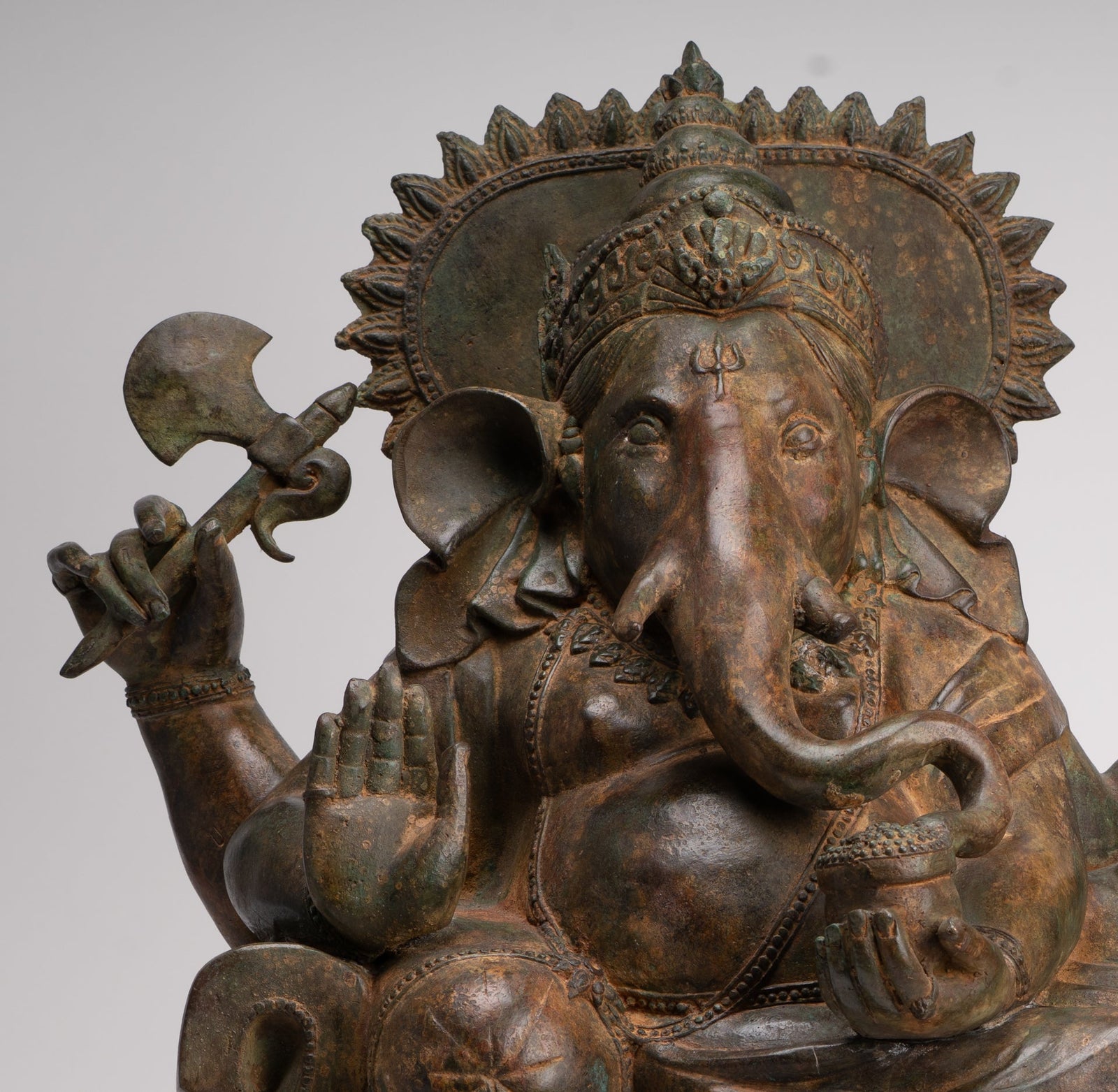
The many gods and goddesses of Hinduism—like Shiva, Vishnu, Lakshmi, Durga, and Ganesha—are viewed as manifestations of the One Supreme Reality, often referred to as Brahman. Just as sunlight can refract into a rainbow, the divine can appear in countless forms, suited to the emotional and spiritual needs of different devotees.
“Ekam sat vipra bahudha vadanti” – “Truth is One; sages call it by many names.” – Rig Veda
Artistic Implication: Hindu iconography expresses this idea beautifully—through richly adorned statues that are less about literal representation and more about spiritual symbolism and invocation of divine qualities like compassion, strength, or wisdom.
2. “The caste system is a Hindu religious requirement.”
Reality: The varna system, as described in ancient texts, was originally a flexible classification based on attributes and duties, not rigid birth-based hierarchy.
Over centuries, this system hardened into a social structure influenced by politics and power, diverging from its spiritual foundations. The original Vedic vision of caste (varna) was more merit-based, focusing on qualities (guna) and actions (karma).
Many Hindu reform movements—from Bhakti saints to modern figures like Swami Vivekananda, Sri Aurobindo, and Mahatma Gandhi—have explicitly rejected caste discrimination, seeing it as contrary to dharma and spiritual evolution.
Contemporary Note: In modern India and the diaspora, many Hindus actively resist caste-based divisions and emphasize unity, karma, and personal growth over social labels.
3. “Hindus worship idols, which is irrational or primitive.”
Reality: What is often called "idol worship" is actually murti puja—a deeply symbolic and meditative practice of connecting with divinity through form.
To a Hindu, the statue (murti) is not the god itself, but a conduit for divine presence. Just as a photograph reminds you of a loved one, a statue evokes the divine qualities it represents—be it the calm of Buddha, the abundance of Lakshmi, or the strength of Durga.
The murti becomes sacred through ritual consecration (prana pratishta), inviting the spirit of the divine into it temporarily. This is not unlike lighting a candle in a cathedral or bowing before a crucifix—acts of reverence that go beyond the material object.
In Art: Sculptures in temples and homes are often made with precise iconographic rules and symbolic gestures (mudras) to express higher truths, not literal physical appearances.
4. “Hinduism oppresses women through its scriptures and traditions.”
Reality: Hinduism’s vast textual corpus contains a diverse range of views on gender, and some of its most powerful symbols and deities are feminine.
The Divine Feminine—in forms like Durga, Kali, Saraswati, Lakshmi, and Parvati—is not subordinate to the male deities but often transcends or complements them. In many traditions, Shakti (energy, power) is seen as the active force of the cosmos, without which even Shiva is inert.
Yes, patriarchal interpretations have crept into some social practices—but so too have egalitarian and feminist voices within the tradition. Ancient Vedic women like Gargi and Maitreyi were revered philosophers, and modern Hindu thinkers have championed women’s rights using spiritual principles of oneness and dharma.
In Visual Culture: Goddess worship has inspired powerful, independent imagery across South and Southeast Asia, making the divine feminine central to spiritual and artistic life.
5. “Hindu rituals are overly complicated and superstitious.”
Reality: Hindu rituals are expressions of devotion, discipline, and symbolism. They are often meditative tools, aligning the practitioner with the rhythms of nature, cosmos, and the self.
-
Lighting a lamp symbolizes dispelling inner ignorance
-
Offering food (naivedya) expresses gratitude and humility
-
Chanting mantras tunes the mind into sacred vibrations
What may appear “superstitious” from the outside is often rooted in psycho-spiritual science, cosmology, and aesthetic experience. Many Hindu rituals are adaptable and optional—meant to deepen awareness, not blindly followed.
Global Perspective: As yoga, meditation, and mantra chanting grow popular worldwide, these very rituals are being recognized for their calming, healing, and transformative effects.
Final Reflection: Embracing Complexity, Honoring Depth
Hinduism is not a monolithic tradition—it is a vast ocean of philosophies, practices, and art forms, spanning from the abstract non-dualism of Advaita Vedanta to the devotional beauty of Bhakti, from tantric mysticism to ritual purity, from temple dance to cosmic metaphysics.
It is an open-source spiritual tradition—inviting inquiry, personalization, and devotion in equal measure. Its misunderstood elements—be they sculptures, gods, rituals, or gender roles—often contain layers of symbolic wisdom when viewed through the right lens.
For those who engage with Hindu iconography, sculpture, or temple arts, understanding these deeper meanings adds immense richness—not just as collectors or admirers, but as seekers of wisdom through beauty.
Explore More:
Browse HDAsianArt.com’s curated collections of Ganesha, Lakshmi, Shiva, and Devi sculptures—each embodying the symbolic, spiritual, and aesthetic richness of the Hindu world.
