


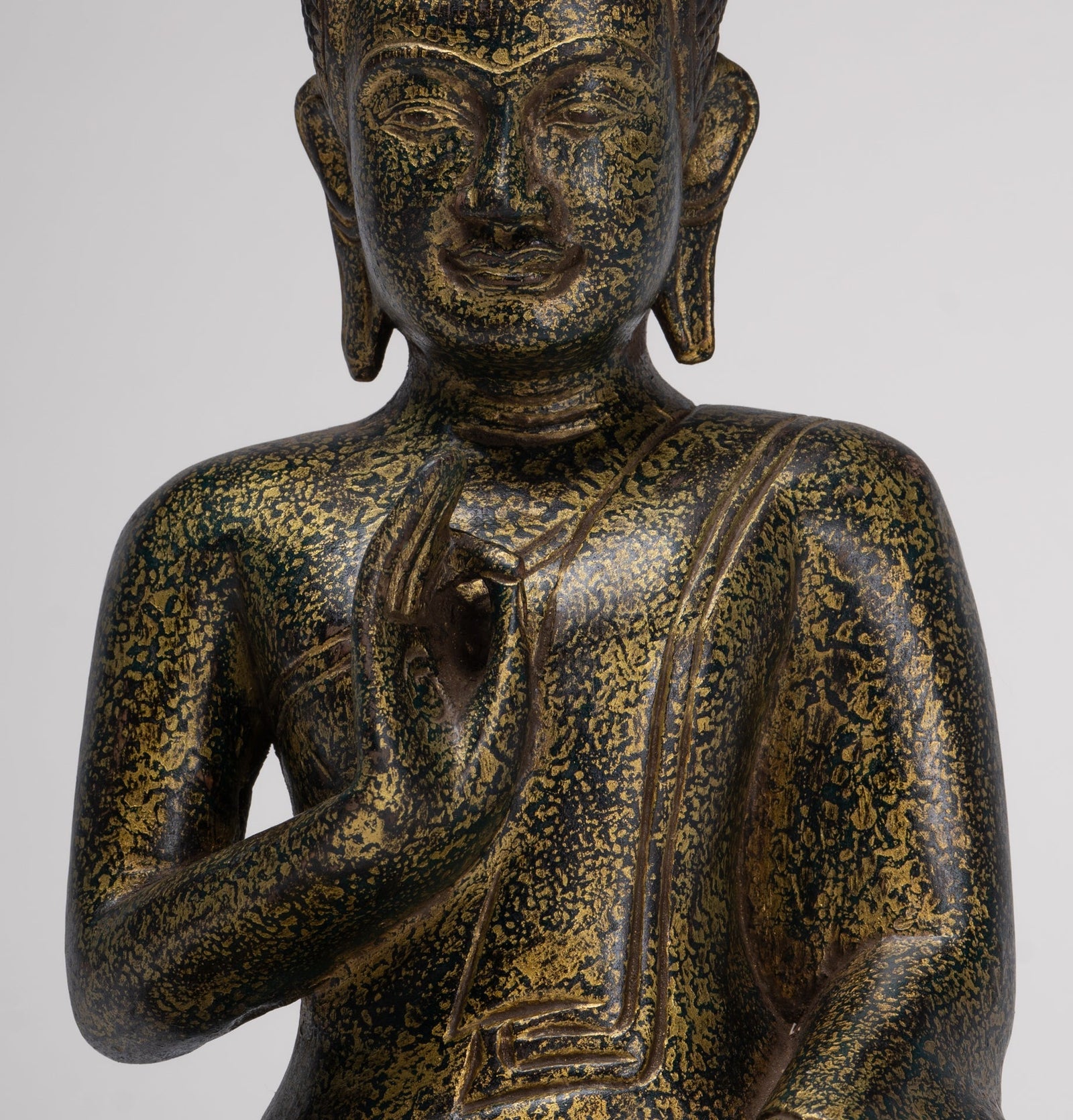
The Noble Eightfold Path: The Buddha’s Guide to Liberation
The Noble Eightfold Path: The Buddha’s Guide to Liberation
The Noble Eightfold Path is one of the most profound teachings in Buddhism, offering a practical, ethical, and spiritual roadmap to freedom from suffering (dukkha) and the attainment of enlightenment (nirvana). It was first taught by the Buddha in his first sermon after attaining enlightenment, known as the Dhammacakkappavattana Sutta (The Turning of the Wheel of Dharma).
This path is not a linear journey but a holistic, interconnected guide, divided into three core aspects of Buddhist practice: wisdom (paññā), ethical conduct (sīla), and mental discipline (samādhi).
The Context: The Four Noble Truths
To understand the Eightfold Path fully, we must see it in the context of the Four Noble Truths, which form the foundation of the Buddha’s teaching:
-
There is suffering (dukkha).
-
Suffering has a cause – craving and attachment (tanhā).
-
There is an end to suffering – nirvana.
-
There is a path leading to the end of suffering – the Noble Eightfold Path.
Thus, the Eightfold Path is the method by which one transcends the cycle of suffering, rebirth, and ignorance.
The Eight Aspects of the Path
Let us now explore the Eightfold Path in detail:
1. Right View (Sammā-Diṭṭhi)
Wisdom Group (Paññā)
Right View is the foundation of the path. It involves understanding:
-
The Four Noble Truths
-
The nature of karma (actions and their consequences)
-
The impermanence of all things
-
The truth of rebirth and dependent origination
It’s not just intellectual knowledge but a deep, experiential insight into reality. Right View sets our intention and motivations on the right course.
"As the dawn is the forerunner of the rising sun, so is right view the forerunner of the noble path." – The Buddha
2. Right Intention (Sammā-Sankappa)
Wisdom Group (Paññā)
Also called Right Thought, this path factor involves cultivating:
-
The intention of renunciation (letting go of attachment)
-
The intention of non-ill will (loving-kindness)
-
The intention of harmlessness (compassion)
It is about aligning the heart and mind with the spirit of non-harming and spiritual growth.
3. Right Speech (Sammā-Vācā)
Ethical Conduct Group (Sīla)
Right Speech means abstaining from:
-
Lying
-
Slanderous or divisive speech
-
Harsh or abusive language
-
Idle chatter or gossip
It encourages truthfulness, harmony, kindness, and meaningful dialogue. Speech has the power to uplift or destroy—Right Speech uses this power wisely.
4. Right Action (Sammā-Kammanta)
Ethical Conduct Group (Sīla)
Right Action involves following the Five Precepts:
-
Not killing or harming living beings
-
Not stealing
-
Not engaging in sexual misconduct
-
Not lying
-
Not using intoxicants (in some interpretations)
It calls for ethical living and harmlessness in our actions toward others and ourselves.
5. Right Livelihood (Sammā-Ājīva)
Ethical Conduct Group (Sīla)
One should earn a living in ways that do not cause harm. Right Livelihood excludes professions involving:
-
Killing (e.g., slaughtering animals)
-
Trading in weapons, living beings, poisons, or intoxicants
-
Deceitful or exploitative business
Right Livelihood means choosing a way of life that promotes peace, honesty, and compassion.
6. Right Effort (Sammā-Vāyāma)
Mental Discipline Group (Samādhi)
Right Effort involves cultivating positive mental states and abandoning unwholesome ones. There are four types of effort:
-
Preventing unwholesome states
-
Abandoning unwholesome states
-
Developing wholesome states
-
Maintaining wholesome states
It is the willpower and energy we put into our spiritual practice.
7. Right Mindfulness (Sammā-Sati)
Mental Discipline Group (Samādhi)
Mindfulness is the heart of meditation practice. It means:
-
Being fully present in each moment
-
Observing the body, feelings, mind, and mental phenomena
-
Practicing non-judgmental awareness
Right Mindfulness leads to deep insight and calm, reducing attachment and aversion.
8. Right Concentration (Sammā-Samādhi)
Mental Discipline Group (Samādhi)
This refers to deep meditative absorption (jhāna), where the mind becomes focused, unified, and still. Right Concentration is built on the foundation of the previous seven steps.
It results in clarity, peace, and profound understanding of the nature of reality.
The Interconnected Nature of the Path
It’s important to recognize that the Eightfold Path is not a step-by-step ladder, but an interconnected circle. Progress in one area supports growth in the others. For example:
-
Mindfulness strengthens concentration and ethical conduct.
-
Right View informs Right Intention and Right Action.
-
Right Effort is necessary at every stage.
This path is dynamic, balanced, and practical.
Applying the Eightfold Path in Daily Life
The Eightfold Path is not reserved for monastics—it is deeply relevant for laypeople and daily life:
-
Use Right Speech in how you communicate with loved ones.
-
Practice Right Action by choosing kindness over harm.
-
Develop Right Mindfulness by being present in each moment.
-
Cultivate Right Livelihood by choosing ethical work.
-
Align your life with Right View and Right Intention to walk a spiritual path, even in modern life.
Conclusion: Walking the Path of Liberation
The Noble Eightfold Path is the Buddha’s timeless gift to humanity—a practical guide that addresses the full range of human experience. It invites us to live with awareness, compassion, and integrity, gradually freeing ourselves from the grip of suffering.
It is not a doctrine to believe in, but a path to walk.
As the Buddha said:
“This is the noble truth of the path leading to the cessation of suffering.”
May we all walk the path with diligence, sincerity, and a heart full of compassion.
🙏 May the Noble Eightfold Path lead you toward peace, wisdom, and awakening. 🙏
