


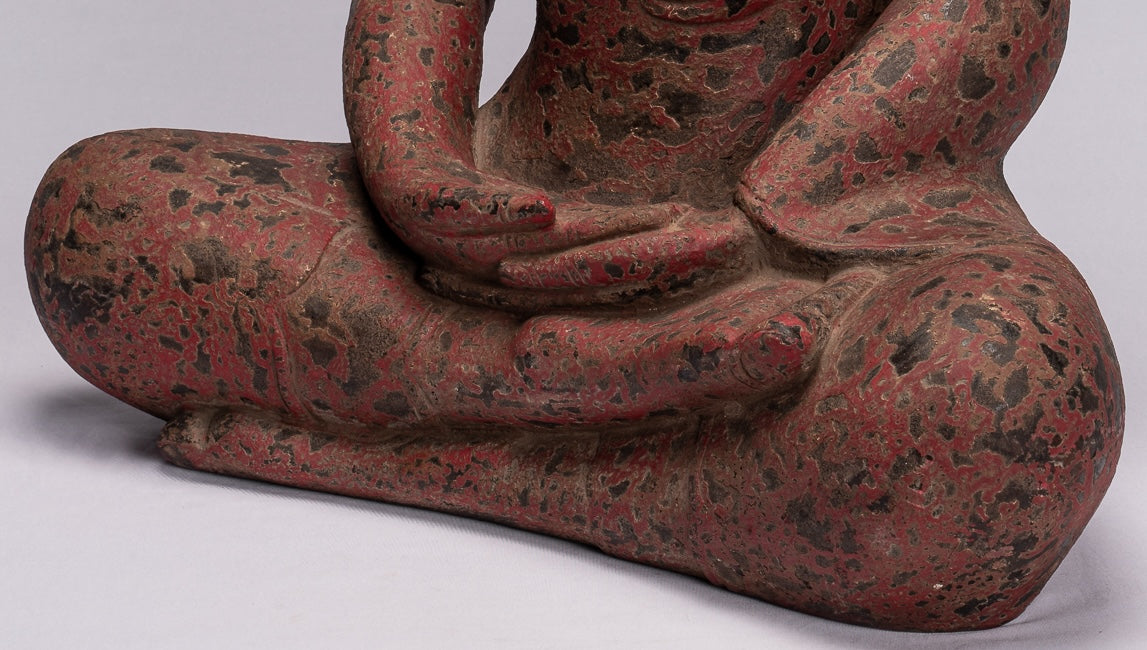
Sitting with Stillness: Practicing Zen Meditation with a Buddha Statue
Sitting with Stillness: Practicing Zen Meditation with a Buddha Statue
In the midst of our fast-paced, overstimulated modern lives, the simplicity of Zen meditation offers a path back to presence, clarity, and calm. Known as zazen—“seated meditation”—this central practice of Zen Buddhism emphasizes quiet observation, mindful posture, and direct experience beyond thought.
While Zen teachings often caution against clinging to external forms, practitioners throughout history have found profound inspiration in the presence of a Buddha statue. Far more than decoration, a Buddha image becomes a silent companion, a visual teacher, and a mirror of the stillness we seek.
In this article, we explore how to enrich your Zen meditation practice through the thoughtful use of a Buddha statue in your home or sacred space.
What Is Zen Meditation (Zazen)?
Zazen (坐禅) literally means “seated Zen” or “seated concentration.” It is the heart of Zen Buddhism, emphasizing:
-
Upright, stable posture
-
Mindful breathing
-
Letting go of thoughts
-
Returning to the present moment without judgment
Zazen is not a technique to reach a goal. It is the embodiment of awareness itself. The great Zen master Dōgen called it “just sitting” (shikantaza), an act of wholehearted presence with no object other than the experience itself.
“To study the Buddha Way is to study the self. To study the self is to forget the self.” – Dōgen Zenji
The Role of the Buddha Statue in Zen Practice
Zen Buddhism values simplicity and the stripping away of distractions. Yet paradoxically, a well-chosen Buddha statuecan become a powerful aid in meditation—not as an idol, but as a symbol of awakened presence.
1. A Visual Anchor of Calm
The serene expression and still posture of the Buddha statue offer a powerful reminder to:
-
Sit upright with dignity
-
Rest in awareness
-
Return to calmness with each breath
Especially for beginners, having a visual representation of the meditative ideal helps anchor the body and mind in the spirit of the practice.
2. A Mirror of Buddha-Nature
In Zen, the Buddha is not “out there.” He represents our true nature, already awake, already complete. The statue acts as a mirror, reminding us that the same stillness and clarity already reside within us.
When we sit with the Buddha, we are not worshipping him—we are remembering who we are.
3. Creating Sacred Space
A Buddha statue helps establish a dedicated space that supports meditation. The space becomes a container of silence, separate from the noise and stress of daily life. Over time, simply entering this space evokes stillness and intention.
Choosing a Buddha Statue for Zazen
When selecting a Buddha statue to support Zen meditation, consider qualities that reflect simplicity, humility, and presence:
1. Material
-
Stone or bronze statues evoke natural groundedness and timeless calm.
-
Wooden sculptures offer warmth and an earthy, wabi-sabi aesthetic aligned with Zen values.
2. Mudrā (Hand Gesture)
-
The ideal mudrā for meditation is the Dhyāna mudrā:
Hands resting in the lap, right over left, thumbs lightly touching to form an oval.
This posture symbolizes deep concentration and equanimity.
3. Facial Expression and Style
-
Choose a Buddha with a soft, half-closed gaze, reflecting inward attention.
-
Look for simplicity of robes, minimal ornamentation, and a peaceful, grounded presence.
Zen aesthetics value what is subtle, quiet, and modest. Let the statue speak not with grandeur, but with stillness.
Setting Up Your Zen Meditation Space
A clean, simple space enhances the quality of your practice. Here’s how to incorporate a Buddha statue:
1. Placement
-
Set the Buddha on a small altar, shelf, or table—slightly above eye level as a sign of respect.
-
Face the statue during meditation, or place it off to the side so it’s within your field of vision.
2. Additional Elements
-
A small candle or oil lamp to symbolize the light of awareness
-
A stick of incense, traditionally offered before practice
-
A zafu (meditation cushion) and zabuton (mat) for comfort and stability
Keep the space uncluttered and quiet. The goal is to create an environment that invites stillness.
How to Meditate with a Buddha Statue: A Step-by-Step Guide
Here is a simple zazen routine, supported by your Buddha image:
Step 1: Arrive Mindfully
-
Bow gently before the statue as a gesture of respect to your practice.
-
Light incense if desired, and set your intention for the session.
Step 2: Take Your Seat
-
Sit on your cushion facing the statue or a blank wall.
-
Cross your legs in full or half lotus, Burmese, or kneeling posture—whatever is stable.
-
Keep your spine erect, hands in the Dhyāna mudrā, and gaze softly downward.
Step 3: Breathe and Be Present
-
Focus on the breath—feel it entering and leaving the nose or abdomen.
-
Let thoughts rise and fall like clouds—observe, don’t chase.
-
Each time the mind wanders, return to the breath or the still presence of the Buddha image.
Step 4: Conclude Gracefully
-
After 10–30 minutes, gently open your eyes fully.
-
Bow again to the Buddha statue to close the session.
-
Take a moment to reflect on how you feel before rising.
The Statue as a Teacher
Over time, the Buddha statue becomes more than a support—it becomes a silent teacher. Without speaking, it teaches:
-
Stillness in the midst of motion
-
Peace amidst complexity
-
Compassion without clinging
It does not instruct with words, but with presence. It is always there, quietly modeling the awakened life.
Zen in Daily Life: Taking the Practice Off the Cushion
Zen is not just for the meditation hall. As you cultivate presence with the help of the Buddha statue, you begin to:
-
Eat mindfully
-
Walk with awareness
-
Speak with clarity and compassion
-
See beauty in the ordinary
Your home becomes your monastery. The statue, quietly watching from its place, reminds you that every moment is a chance to wake up.
Conclusion: Stillness Made Visible
In Zen Buddhism, awakening is not something to attain—it is something to remember. Sitting with a Buddha statue helps us remember that the calm, clear awareness we seek is already here.
By offering your presence before a symbol of stillness, you gradually become still yourself. Over time, the boundary between statue and sitter dissolves—and what remains is the quiet joy of simply being.
Find Your Zen Companion
At HDasianArt.com, we offer a curated selection of Zen-style Buddha statues crafted in stone, bronze, and wood—each one a quiet companion for your meditation practice. Rooted in the elegance of simplicity, our statues are designed to support and inspire your journey toward inner stillness.
Explore our collection and bring mindful beauty into your space today.
