


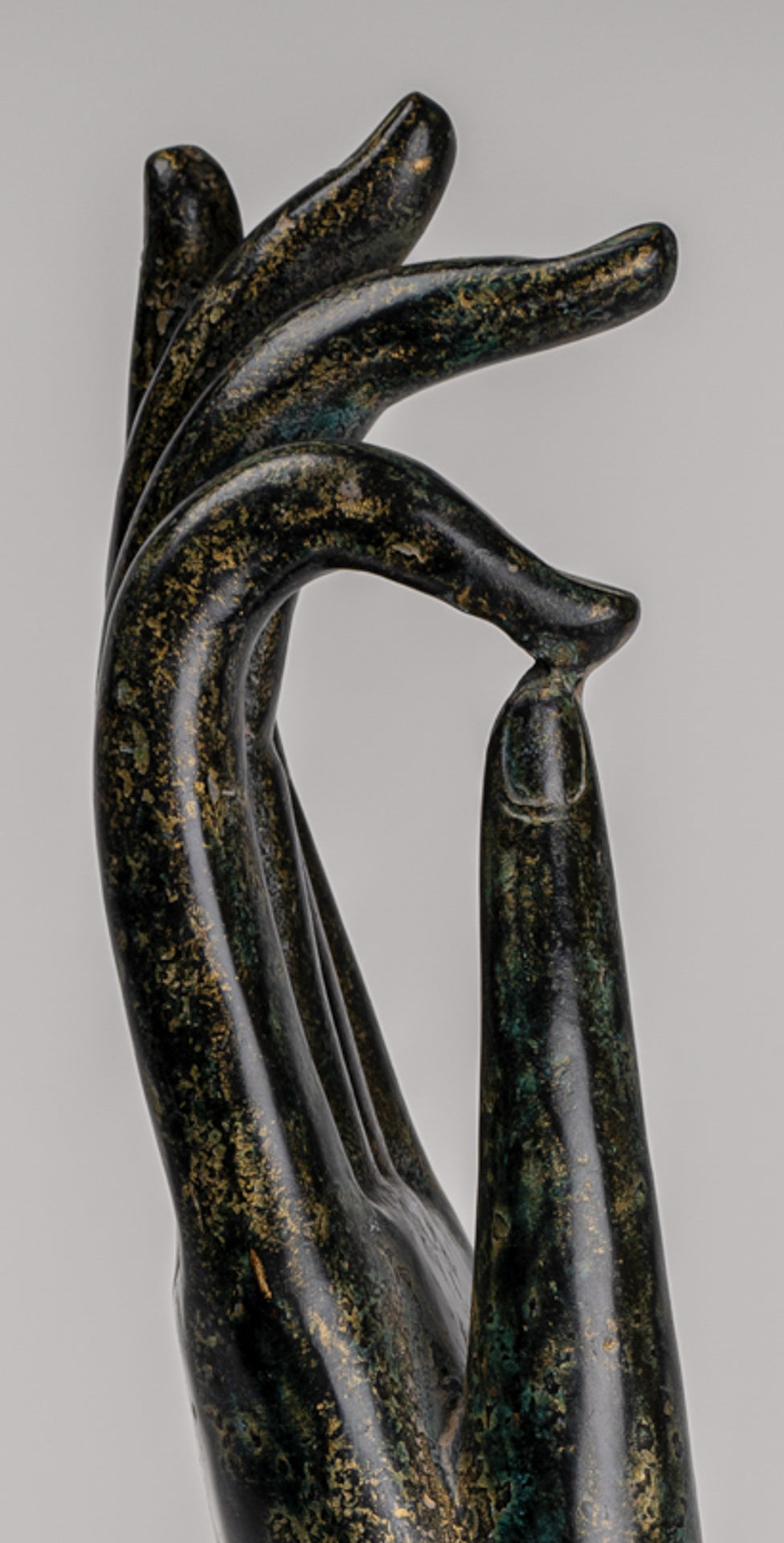
Right View (Sammā-Diṭṭhi): The Foundation of the Noble Eightfold Path
In the teachings of the Buddha, Right View (Sammā-Diṭṭhi) is the first step on the Noble Eightfold Path—and rightfully so. It is the lens through which we see ourselves, others, and the world. Without it, all other aspects of the path risk becoming mechanical or misguided.
Right View is not merely a set of beliefs or dogmas—it is a profound understanding of reality, rooted in wisdom, and arising from direct experience.
In this blog post, we’ll explore:
-
What Right View truly means
-
Its role in the Eightfold Path
-
The two levels of Right View
-
How to cultivate it in daily life
-
The transformational power it holds
What is Right View?
Right View is the wisdom that sees things clearly—free from delusion, craving, and aversion. It is not blind belief or mere intellectual knowledge, but a deep, intuitive understanding of how life works. It leads to wise choices, compassion, and inner peace.
According to the Buddha, Right View is primarily the understanding of:
-
The Four Noble Truths
-
Karma and its results
-
The impermanence of all things (anicca)
-
The non-self nature of existence (anattā)
-
The reality of suffering (dukkha)
Right View is the compass that orients us in the right direction.
"Just as the dawn is the forerunner of the rising sun, so is right view the forerunner of the noble path." – The Buddha
Two Levels of Right View
The Buddha described two levels of Right View:
1. Mundane Right View (Lokiya Sammā-Diṭṭhi)
This is the basic moral understanding that wholesome actions lead to beneficial results, and unwholesome actions lead to suffering.
It includes:
-
Belief in karma and rebirth
-
Respect for ethical principles
-
Awareness that our thoughts, speech, and actions have consequences
This level motivates us to live ethically and mindfully.
2. Supramundane Right View (Lokuttara Sammā-Diṭṭhi)
This is the deep insight that arises through meditation and wisdom. It includes:
-
Realizing the Four Noble Truths
-
Seeing the world through the lens of impermanence, suffering, and non-self
-
Understanding that liberation comes from letting go of craving and clinging
This level leads to the complete eradication of ignorance, the root of all suffering.
Right View and the Other Path Factors
Right View doesn’t exist in isolation—it informs and supports all other aspects of the Noble Eightfold Path:
-
Right Intention arises naturally from Right View. When we understand the true nature of suffering and its causes, we develop wholesome intentions of renunciation, compassion, and non-violence.
-
Right Speech, Action, and Livelihood are guided by our understanding of ethical cause and effect.
-
Right Effort, Mindfulness, and Concentration are directed with clarity and purpose, grounded in an accurate understanding of the mind and the world.
In this way, Right View is the seed from which the entire path grows.
How to Cultivate Right View
1. Study the Dharma
Engage with the teachings of the Buddha through scriptures, trusted teachers, and study groups. Reflect on:
-
The Four Noble Truths
-
Dependent origination
-
The Three Marks of Existence (anicca, dukkha, anattā)
Reading is the beginning—contemplation and inquiry deepen understanding.
2. Practice Meditation
Mindfulness and insight meditation (vipassanā) allow us to see things as they really are. Through careful observation, we notice:
-
How thoughts arise and pass
-
How craving leads to tension
-
How everything is changing, unstable, and empty of a fixed self
This is the direct path to Right View—not merely thinking, but seeing.
3. Observe Cause and Effect
In daily life, notice how:
-
Greed leads to agitation
-
Generosity leads to peace
-
Anger causes harm
-
Loving-kindness brings connection
This lived understanding of karma is the foundation of wise living.
4. Question Your Assumptions
Right View often begins with challenging wrong views—beliefs rooted in ego, permanence, or materialism. Ask:
-
Is this truly lasting?
-
Is this truly “mine”?
-
What happens when I cling?
-
What happens when I let go?
This inquiry weakens delusion and sharpens wisdom.
Wrong View (Micchā-Diṭṭhi): The Root of Suffering
The Buddha often emphasized that wrong view is the starting point of suffering. Wrong views include:
-
Denial of karma and moral responsibility
-
Belief in an eternal, unchanging self
-
The idea that sense pleasures lead to lasting happiness
-
Nihilism and materialism
These views lead to confusion, unethical behavior, and repeated rebirth. The path begins when we start to see clearly.
The Fruit of Right View
When Right View is developed and internalized, it leads to:
-
Clarity and calmness of mind
-
Ethical behavior rooted in compassion
-
Freedom from delusion and confusion
-
Progress on the path to enlightenment
Ultimately, Right View culminates in the direct realization of truth and the liberation from suffering.
In Daily Life: Bringing Right View Into the World
Right View can shape your daily life in beautiful, practical ways:
-
You understand setbacks are impermanent—so you respond with patience.
-
You see that craving leads to suffering—so you seek simplicity.
-
You know your actions matter—so you act with integrity.
-
You realize life is fragile and precious—so you cultivate gratitude and presence.
Right View transforms not only your mind—but your entire way of being.
Conclusion: Begin With Seeing Clearly
Right View is the beginning, the foundation, and the guiding light of the Buddhist path. With it, the journey toward awakening becomes possible. Without it, even well-intentioned actions may lead astray.
It is not enough to believe—we must see. Not just intellectually, but directly, in our own hearts and minds.
May your practice of Right View lead you toward peace, wisdom, and liberation.
🙏 Namo Buddhaya. 🙏
