


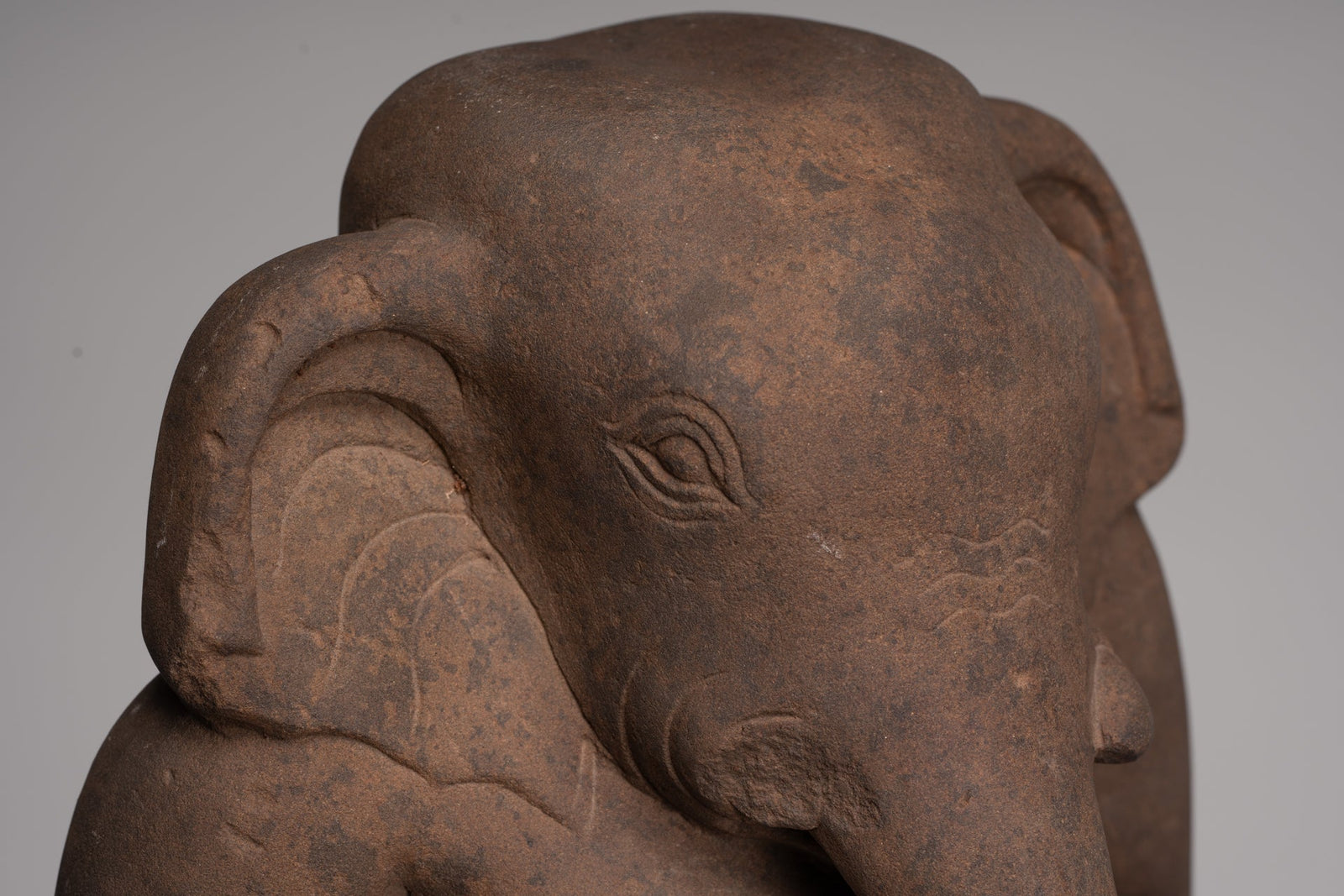
Champa Art: The Forgotten Jewel of Southeast Asian Sculpture
Champa Art: The Forgotten Jewel of Southeast Asian Sculpture
In the pantheon of Southeast Asian civilizations, few remain as enigmatic and artistically rich as the Kingdom of Champa. Flourishing along the central and southern coasts of present-day Vietnam from the 2nd to the 17th century CE, Champa left behind a stunning legacy of stone sculptures, temple architecture, and sacred iconography that reflect a unique fusion of Indic religion and local cultural expressions.
Though often overshadowed by the monumental legacies of Angkor or Borobudur, Champa art stands as one of the most refined and spiritually resonant bodies of work in Southeast Asia. With deep roots in both Hinduism and Buddhism, Champa sculpture offers a compelling glimpse into the kingdom’s cultural vitality and spiritual aspirations.
Historical Context: A Coastal Kingdom of Sacred Exchange
The Cham people were Austronesian seafarers who built a sophisticated kingdom on the maritime trade routes between India, China, and the Indonesian archipelago. The resulting contact with South Asia had a profound influence on Cham religion, language, and visual culture.
Champa was not a single unified kingdom but a series of polities, such as Amaravati, My Son, and Vijaya, each contributing its own stylistic developments. The Cham elite patronized Shaivism, Vaishnavism, and later Mahayana and Vajrayana Buddhism, all of which were expressed through their temple art and statuary.
Artistic Characteristics of Champa Sculpture
1. Stone as Sacred Medium
Champa sculpture is most often rendered in sandstone, which was carved with remarkable fluidity and sensitivity. The artists displayed a mastery of both monumental architecture and intimate, expressive sculpture.
2. Hindu Influence with Local Flair
Champa’s earliest sculptures mirror Indian Gupta and Pallava styles but soon evolved a distinct regional identity. Typical subjects include:
-
Shiva, often in the form of a linga or as Nataraja (lord of the cosmic dance)
-
Vishnu, both in his classic form and his avatars like Krishna or Varaha
-
Devi, especially Uma, Lakshmi, and Chamundā
-
Mythical beasts such as makaras, garudas, and nagas
Unlike the symmetry of Indian art, Champa sculpture is often lithe, dynamic, and filled with movement and sensuality, especially in depictions of deities and celestial dancers (apsaras).
3. Architectural Flourish
Temples were constructed in brick, with sandstone sculpture integrated into doorways, lintels, columns, and altars. The most famous Champa temple complex is My Son, a UNESCO World Heritage site, where ruins of over 70 Hindu temples survive.
Cham architects developed a method of laying bricks without mortar, polishing the brick faces until they fit seamlessly. This technique remains a marvel to modern archaeologists.
4. Buddhist Expressions
While Shaivism dominated Champa religion, certain periods—particularly under the influence of Mahayana and Vajrayana Buddhism—produced profound Buddhist imagery:
-
Seated Buddhas, in deep meditation or earth-touching gestures (bhumisparsha mudra)
-
Avalokiteshvara (Padmapani), the Bodhisattva of Compassion, often depicted standing elegantly, adorned with lotus flowers and jewelry
-
Prajnaparamita, the goddess of wisdom, whose graceful form became central to esoteric Buddhist rituals
These Buddhist works show stylistic affinities with both Khmer and Javanese art, underscoring Champa’s role in regional religious dialogue.
Distinctive Features of Champa Art
| Feature | Description |
|---|---|
| Stylistic Freedom | Figures are often posed dynamically, with a strong sense of bodily movement and spiritual energy. |
| Exquisite Ornamentation | Deities wear elaborate crowns, jewelry, and flowing garments rendered in meticulous detail. |
| Spiritual Vitality | Faces of deities often express compassion, serenity, or power—not mere idealized beauty. |
| Erotic Symbolism | Like Indian art, Champa often included tantric and symbolic sexual imagery, representing fertility and divine union. |
Champa Art Today: Preservation and Rediscovery
Much of Champa's art was lost or damaged due to war, time, and natural degradation. Yet surviving pieces remain in:
-
My Son Sanctuary – Ruins and some onsite sculptures
-
Museum of Cham Sculpture in Da Nang, Vietnam – The world’s largest collection of Cham art
-
International collections, including the Musée Guimet (Paris), the Museum of Fine Arts (Boston), and the Metropolitan Museum of Art (New York)
These sculptures continue to inspire artists and scholars, and efforts are ongoing to preserve and restore what remains of this extraordinary cultural heritage.
Why Collectors and Scholars Admire Champa Art
For connoisseurs of Asian sculpture, Champa art holds a special appeal:
-
Rarity: Authentic Cham sculptures are relatively rare on the art market, making them highly collectible.
-
Aesthetic Brilliance: The carvings offer an expressive balance between formality and fluidity, idealism and sensuality.
-
Spiritual Depth: Whether Hindu or Buddhist, Champa art radiates a sacred aura that transcends time.
Each piece tells a story—not just of religious devotion, but of a civilization that bridged oceans and ideologies, leaving behind a legacy carved in stone.
Conclusion: A Forgotten Masterpiece of Southeast Asia
The art of Champa may not enjoy the same spotlight as Angkor or Bagan, but it deserves recognition as one of Southeast Asia’s greatest contributions to the world’s artistic and spiritual heritage. Rooted in Indian cosmology, enriched by maritime exchange, and shaped by local genius, Champa sculpture reflects a civilization that celebrated the divine through devotion and design.
As scholars continue to unearth its hidden gems and museums work to conserve its masterpieces, Champa art is finally stepping into the global conversation—where it belongs.
Explore Southeast Asian religious sculpture inspired by the legacy of Champa at HDAsianArt.com.
Our curated collection includes fine representations of Hindu and Buddhist art from across the region, paying tribute to this forgotten kingdom of sacred beauty.
